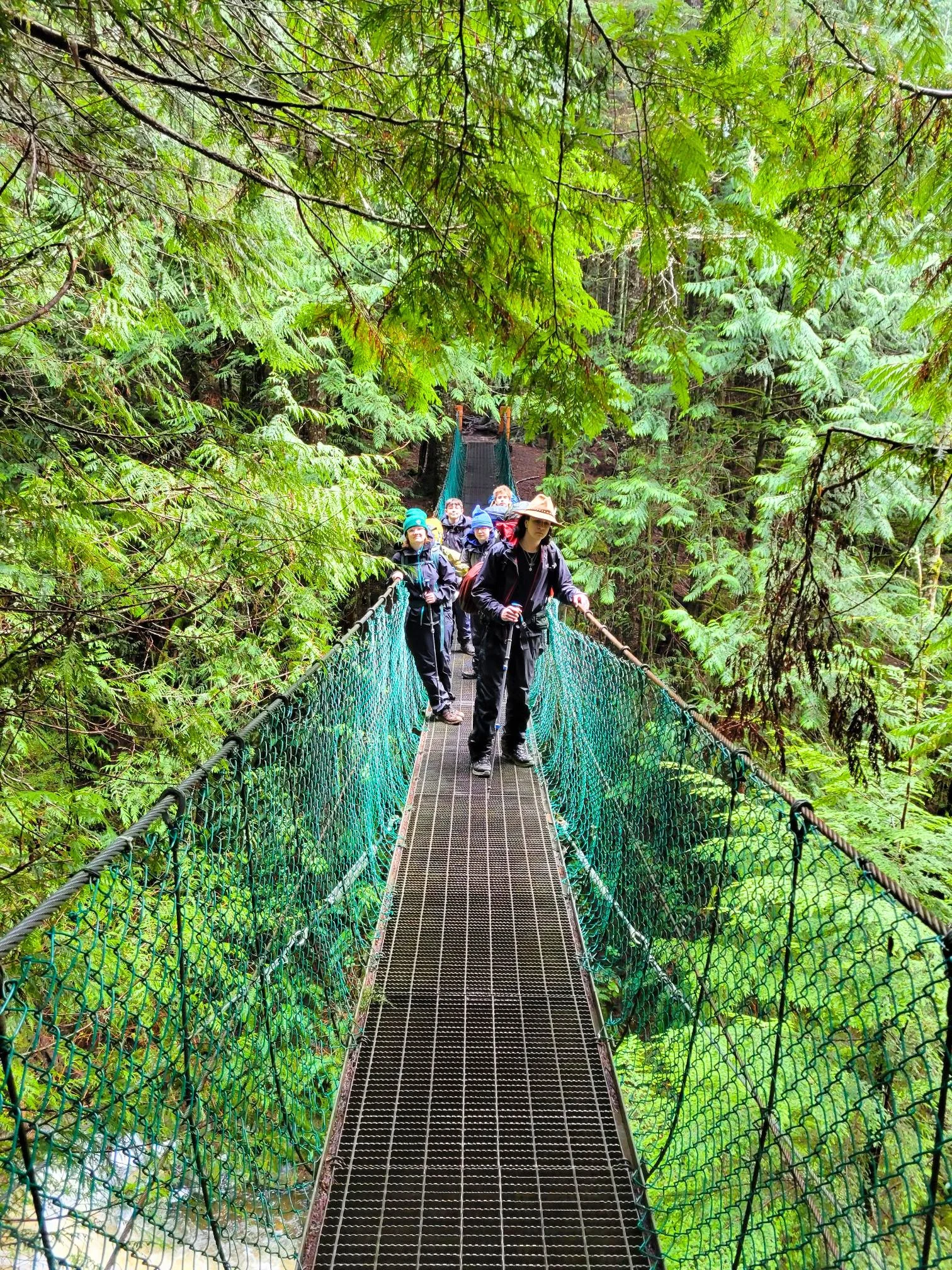
On a warm September evening, the participants of Wilderness School Cohort 17 gathered with their families and Power To Be staff for their Grad Night. Having reached the end of their two-year journey with the program, these participants had a chance to connect, reflect, and express their appreciation for the journey and each other.
In an activity we call “Rock, Stick, Leaf,” participants each shared what rocked during the program, what would stick with them, and what the program helped them move through or “leaf” behind.
The agreed-upon “rock” was “spending time with each other.” Having led this cohort through each of their expeditions, Tess Horner Bourassa (Program Facilitator) and Mike Milner (Program and Risk Management Lead) watched the connections and bonds within the group deepen over the two years of the program. Mike reflected that these bonds were “deeper than [he had] seen in previous cohorts” and that “they all make great efforts to hang out outside of the program,” including planning their own hikes and adventures, sleepovers, and trips to the mainland to go to concerts together.”
When asked what would “stick” with them the most, participants listed the many outdoor skills they learned, from knot-tying to camp setup. And again, they emphasized the deep friendships they formed with each other.
Finally, they told us what they would “leaf” behind: feelings of anxiety and negativity about themselves.
It’s difficult to grasp just how much these youth have grown over the course of their program. Having embarked on three expeditions this year alone, Cohort 17 has experienced constant growth; through severe and changing weather conditions, disrupted plans and routes, and unfamiliar settings and dynamics, this group has showcased their leadership and outdoor skills, and developed strong social and emotional skills and confidence.
A Mount Washington Adventure
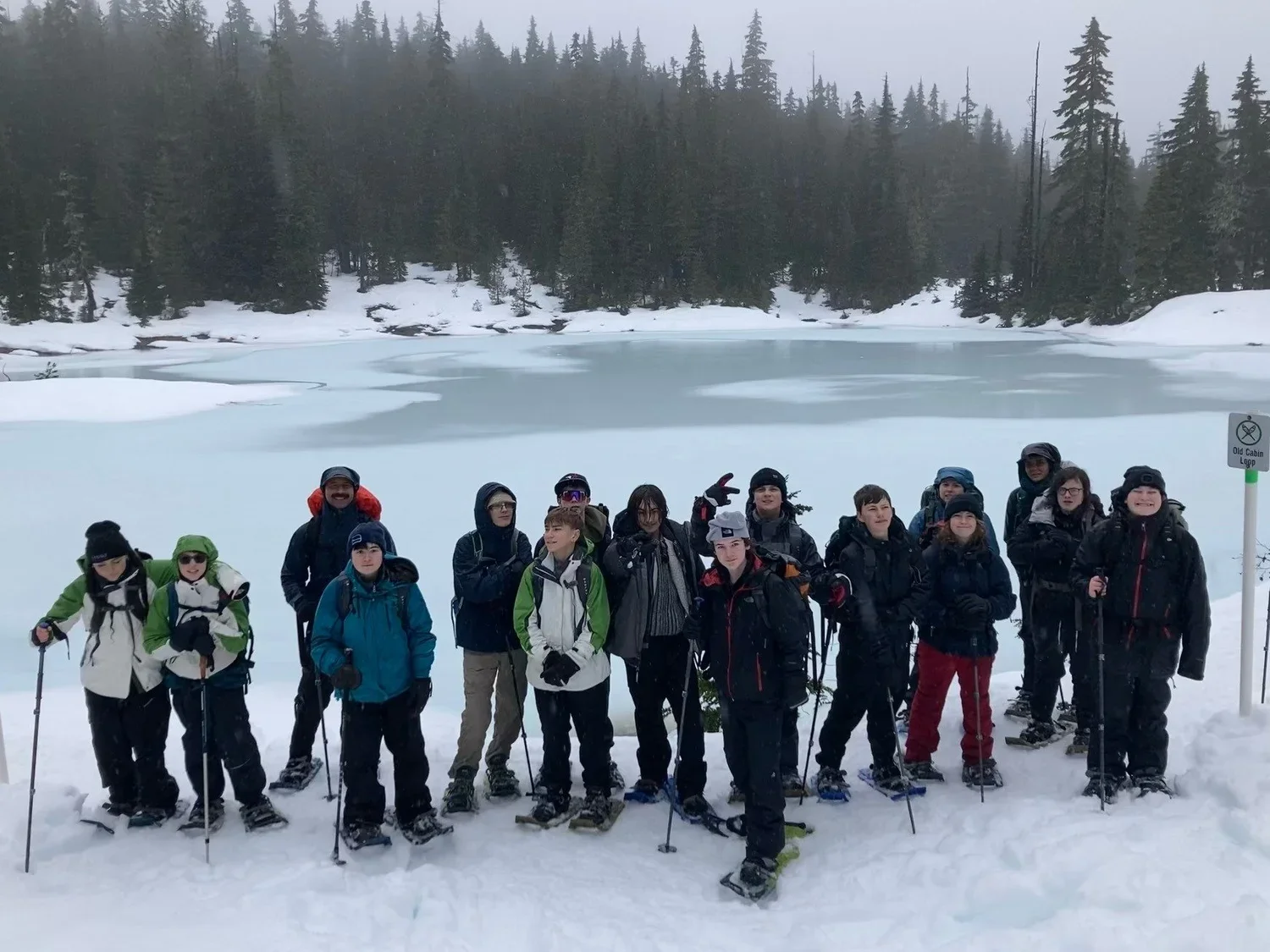
On their first expedition of 2026, Cohort 17 journeyed to Mount Washington alongside the first-years of Cohort 18. This was a story of adaptability and resilience. They demonstrated their newfound outdoor skills, and stepped seamlessly into roles of mentorship and support for the new Wilderness School participants.
The Journey to Mystic Beach
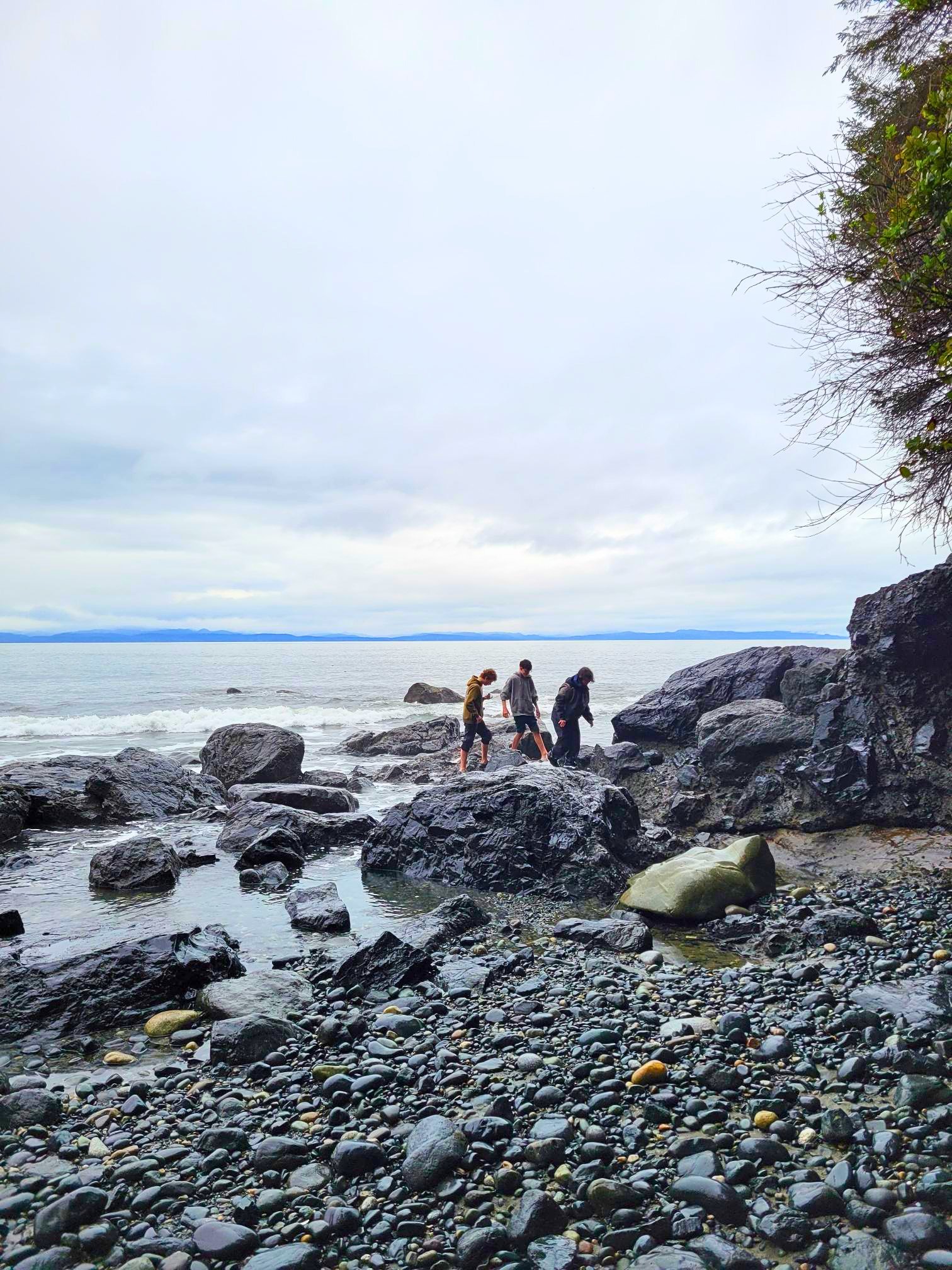
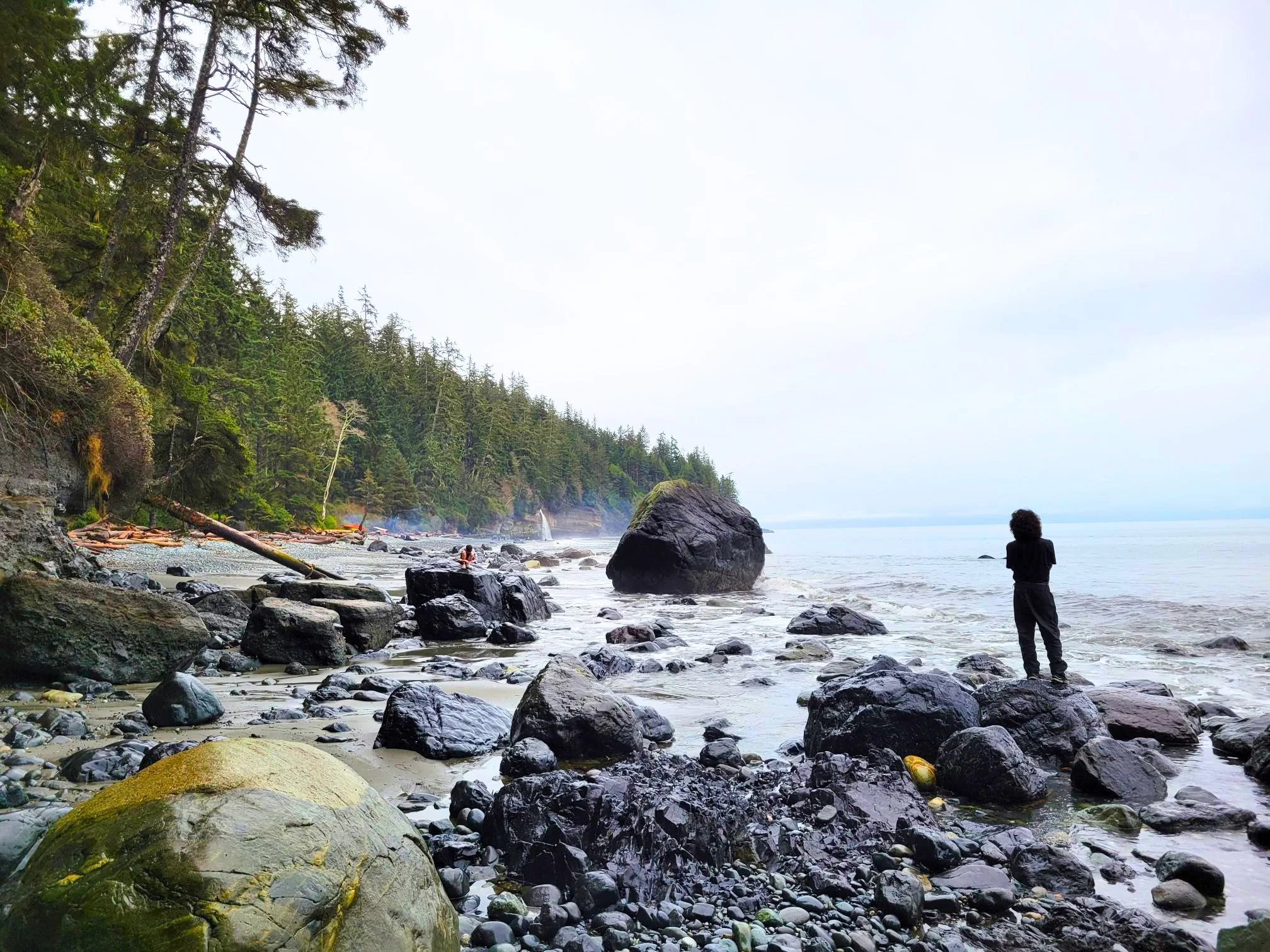
Two months after their return from Mount Washington, Cohort 17 set out on their Spring Break Expedition to Mystic Beach. Faced with severe weather conditions, including strong winds and heavy rainfall, the group navigated real-time pivoting of locations, routes, and durations.
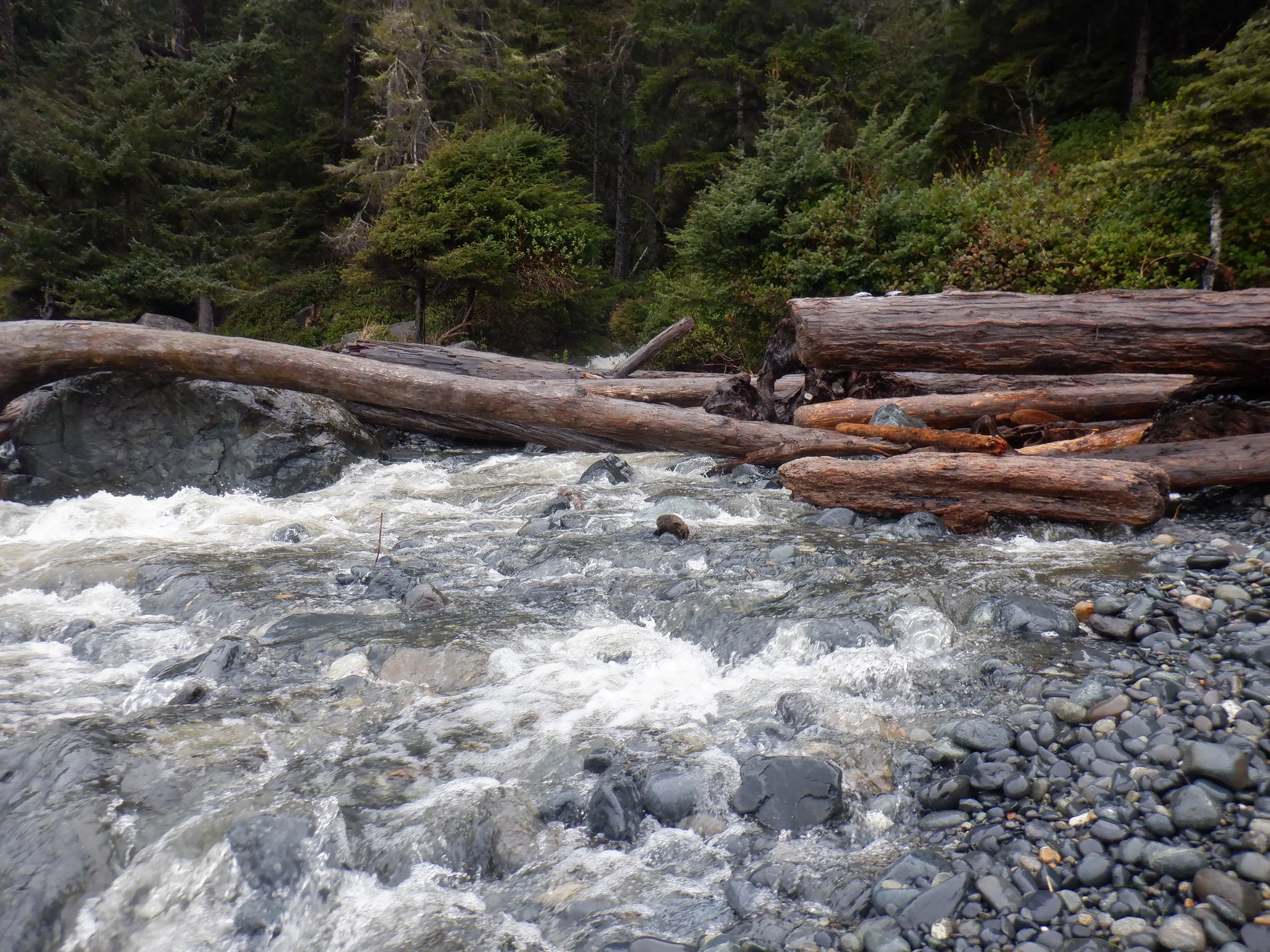
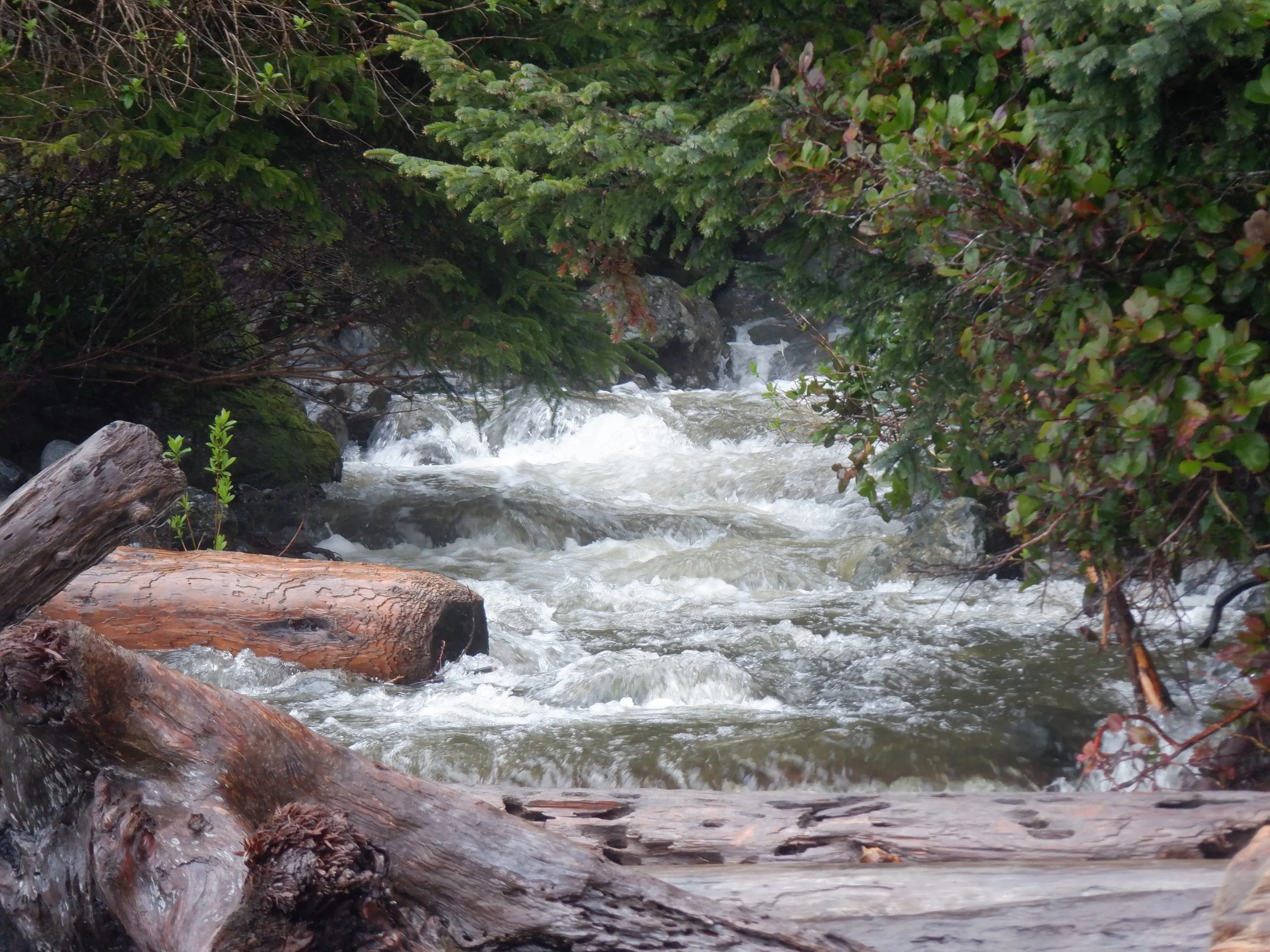
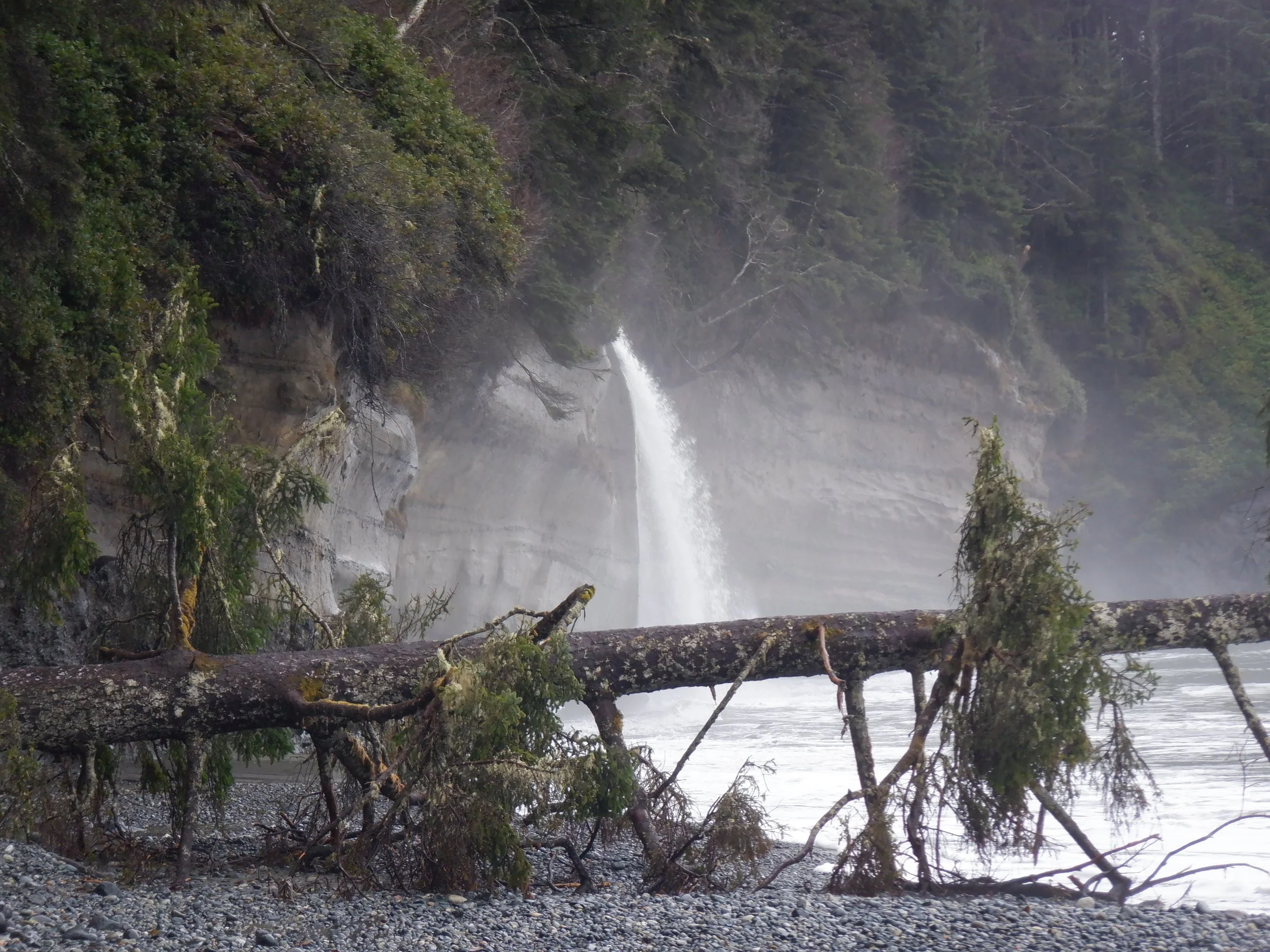
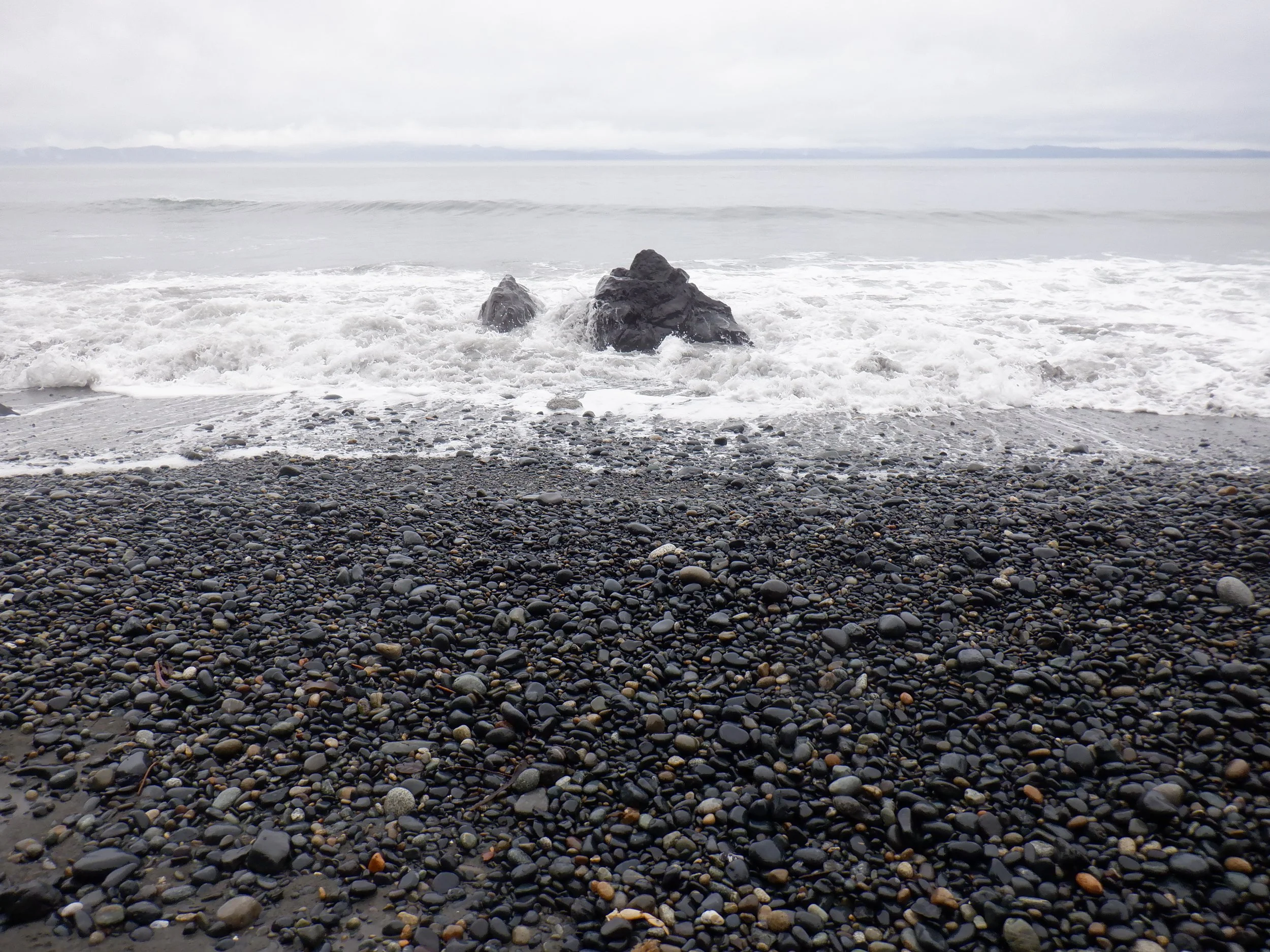
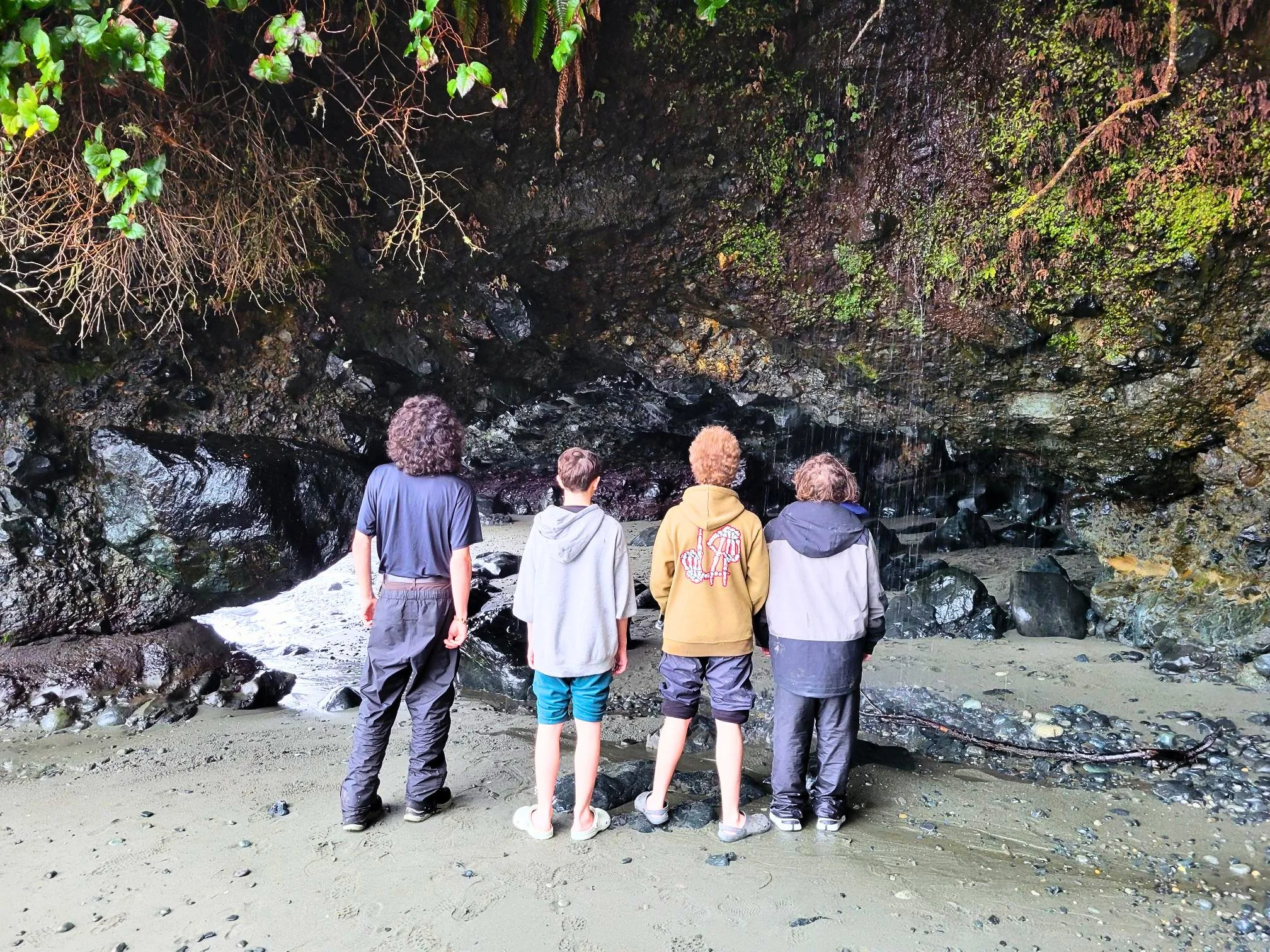
Despite their challenging hike-in with flooded trails, participants arrived at the water in high spirits. From exploring low-tide caves, to working with tarps, stoves, and fire-making, these youth demonstrated remarkable growth in confidence, problem-solving, and technical skills.
They adapted to the challenges and changes, and embraced them as learning opportunities in expedition planning, weather assessment, and risk management. They also connected these conditions to their knowledge of climate change and human impact, and the importance of the Leave No Trace principles that are woven into the program.
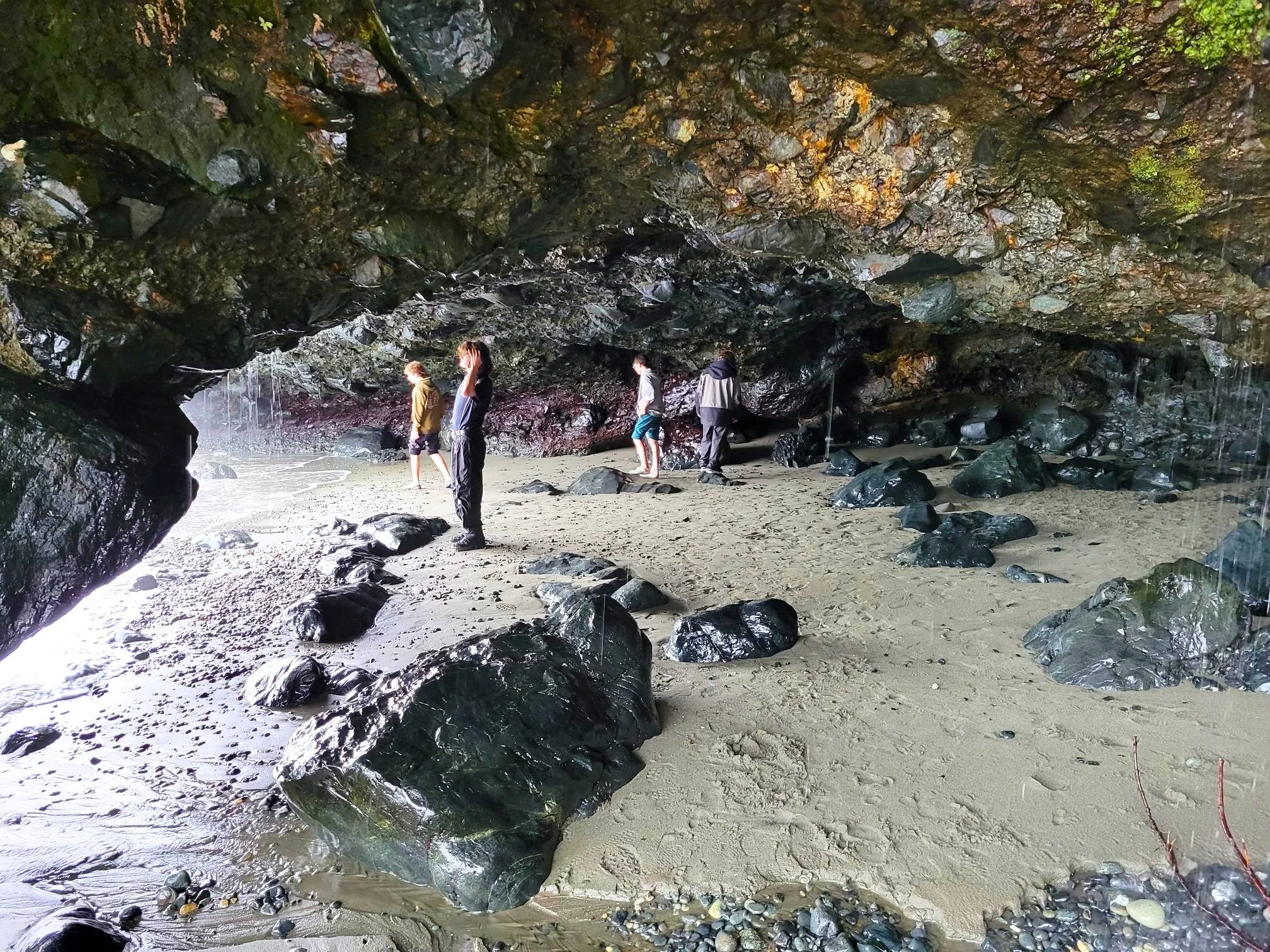
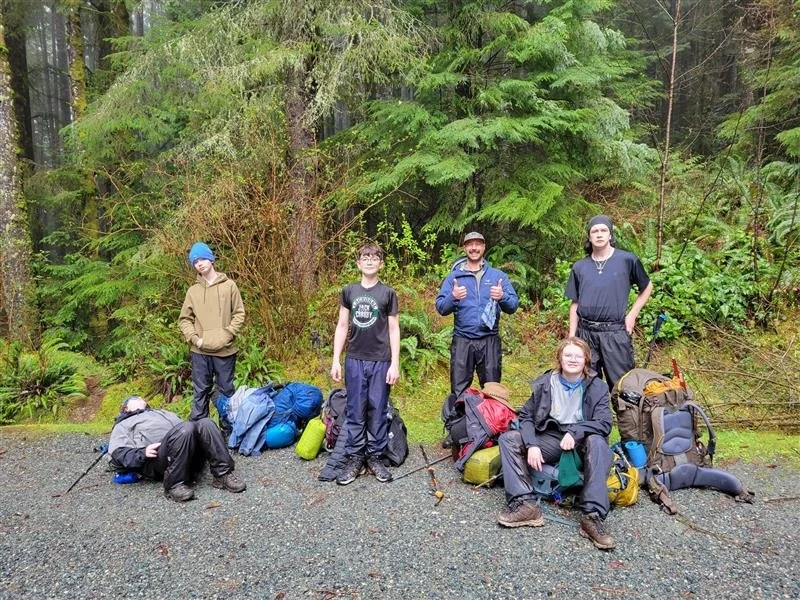
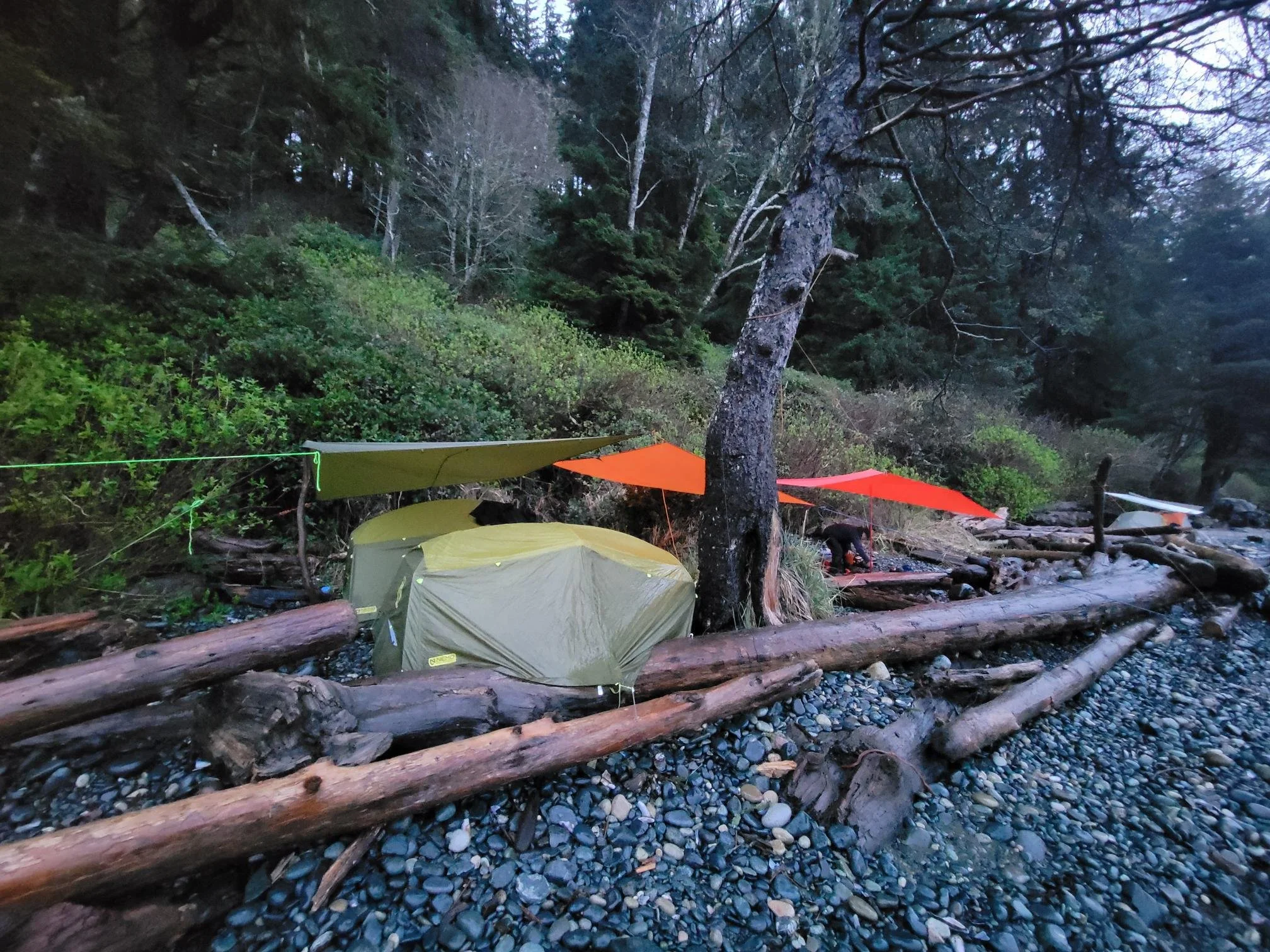
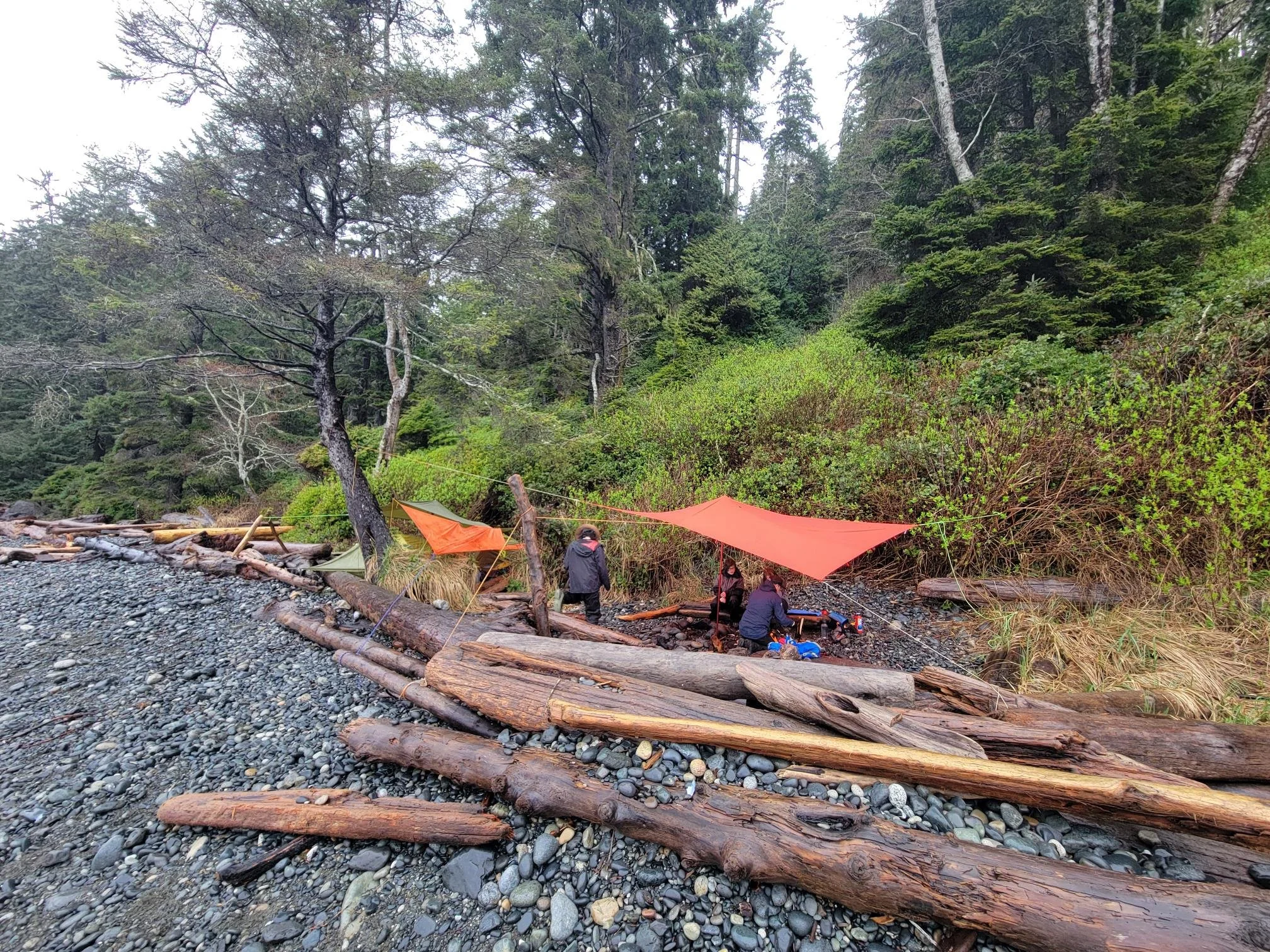
Cohort 17 returned home from Mystic Beach with deepened friendships and unforgettable memories. They had developed their skills in conflict resolution and communication. And they had felt the benefits of time in nature with moments of self-reflection, social connection, and adventure.
The Southern Gulf Islands Kayaking Trip
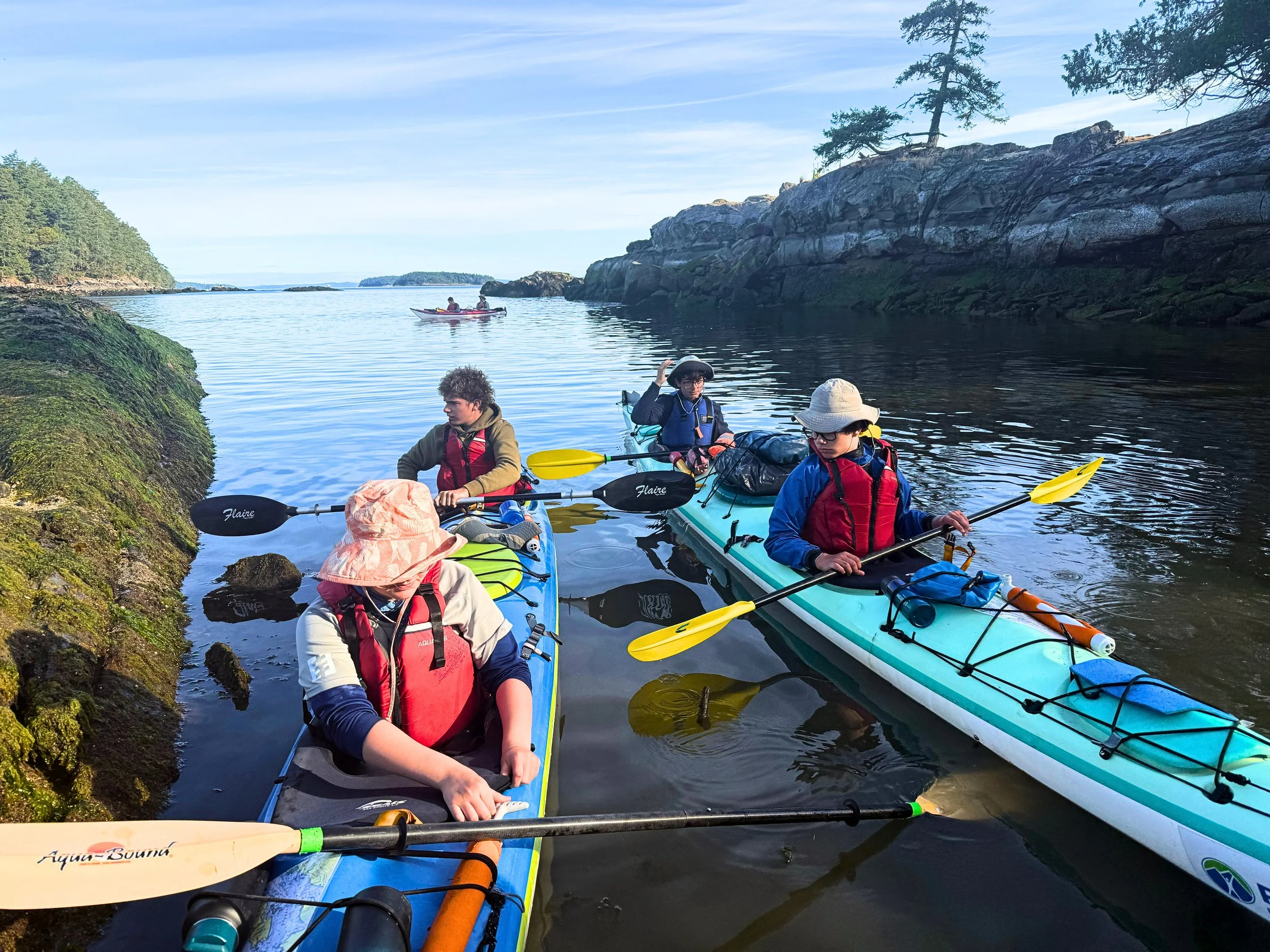
A few months after Mystic Beach, Cohort 17 came together for their third and final expedition of the year—a 6-day ocean kayak adventure around the Southern Gulf Islands.
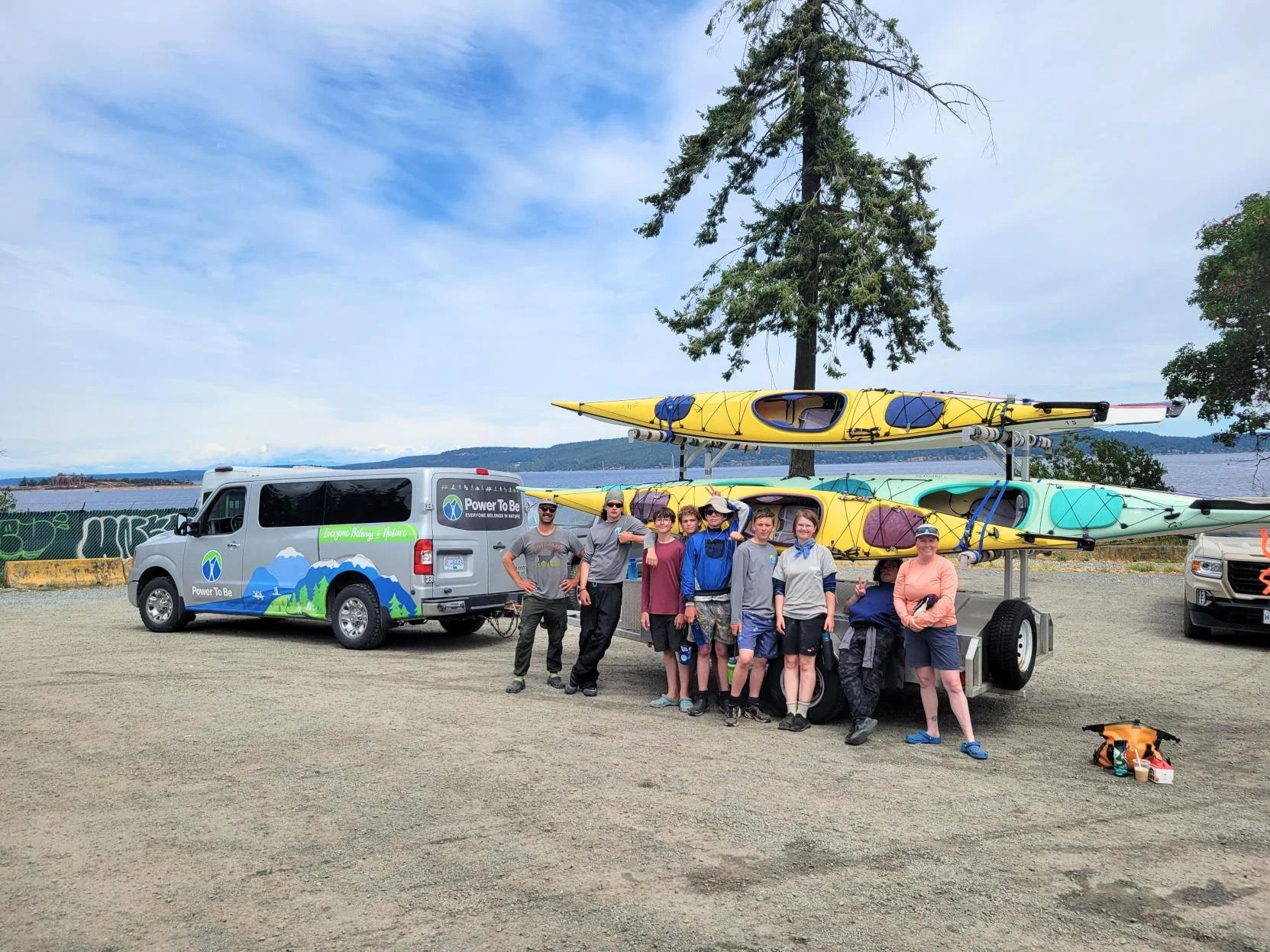
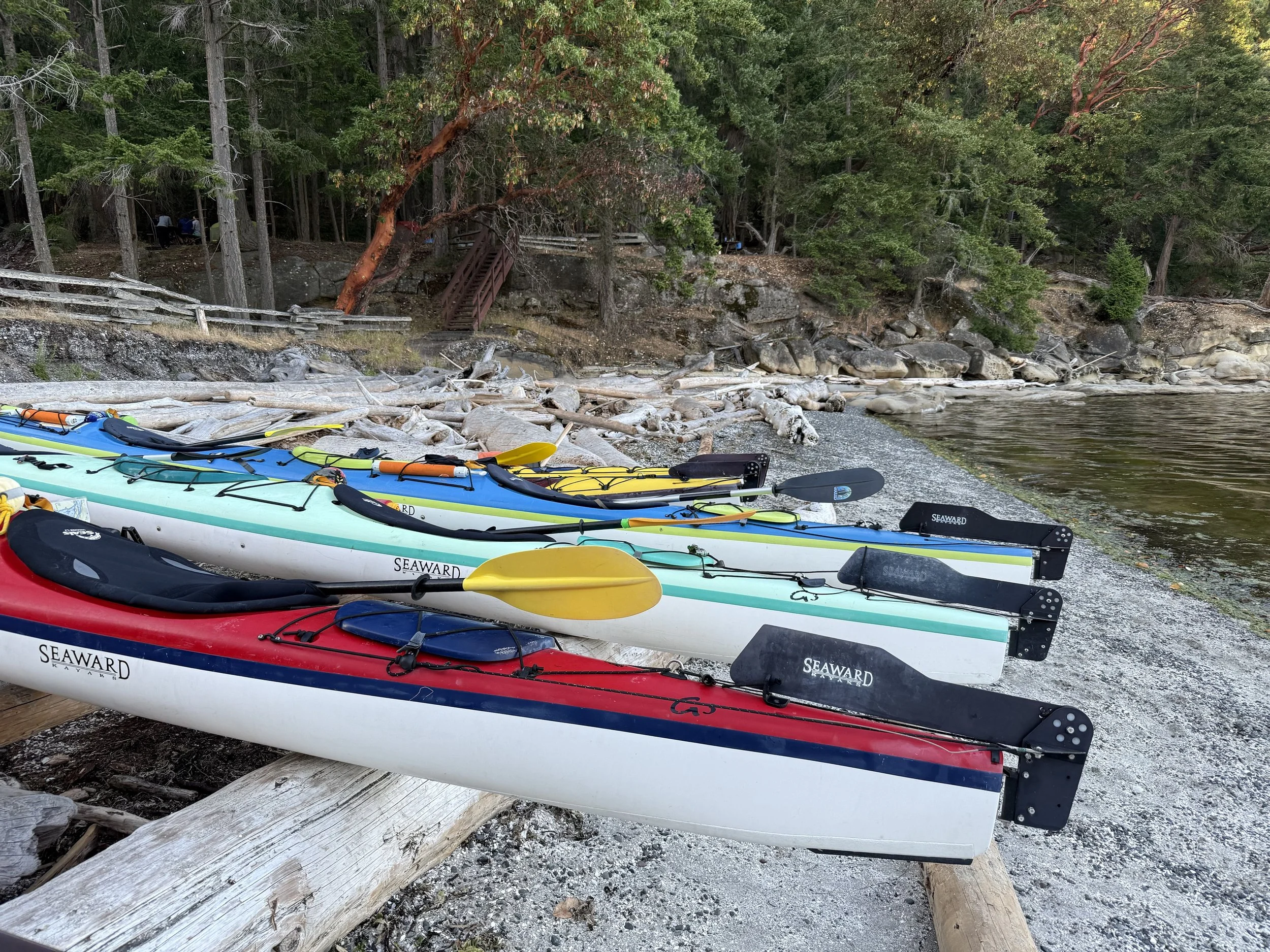
Launching just outside of Nanaimo, the cohort paddled to Pirates Cove on De Courcy Island, setting up camp for the first few days. They explored the island by kayak each day, honing their paddling skills. Learning paddle strokes, wet exits, self-rescues, and tandem rescues, participants were proud to complete the Paddle Canada Level 1 Skills Course that our team hosts as part of the program.
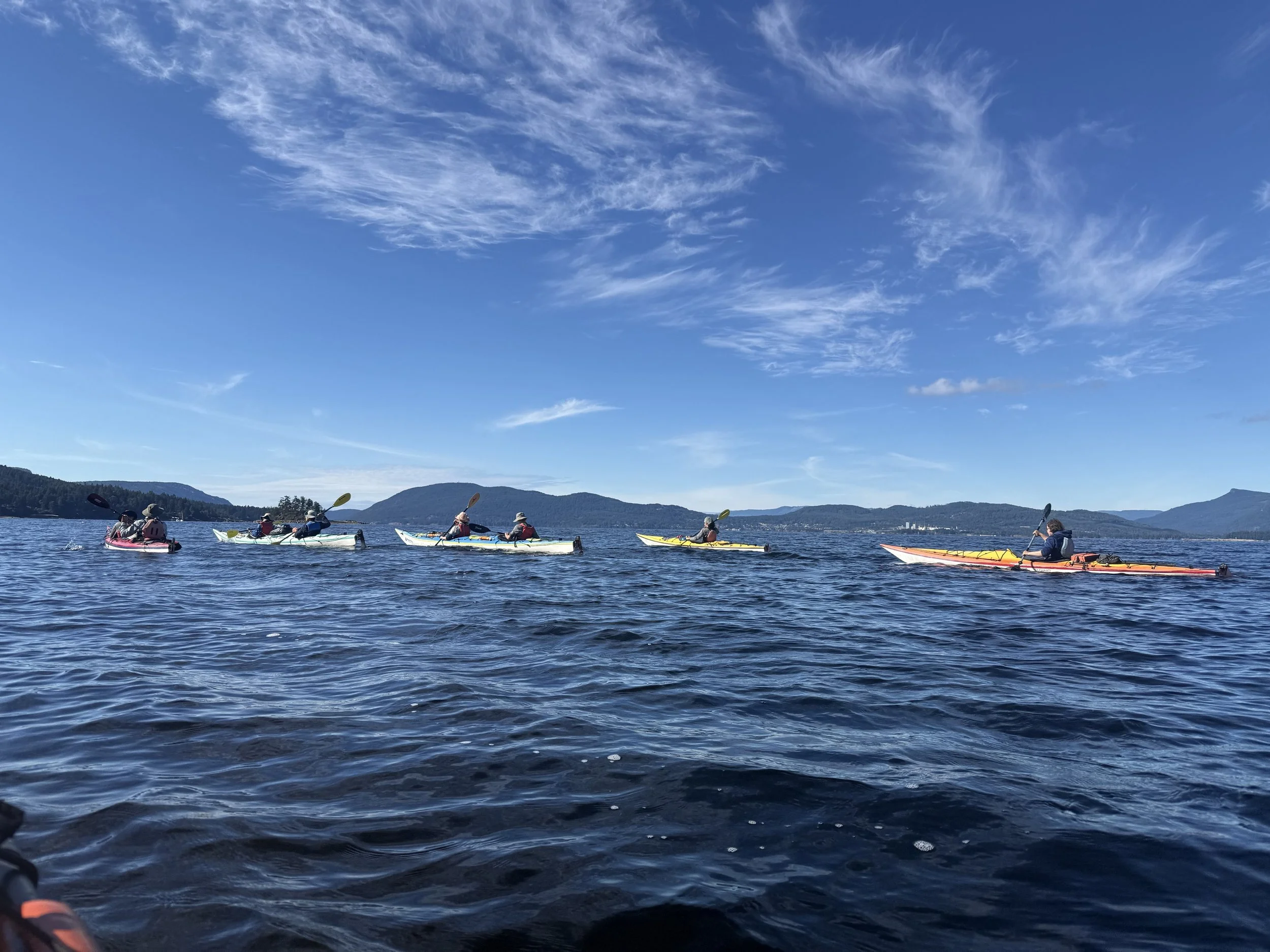
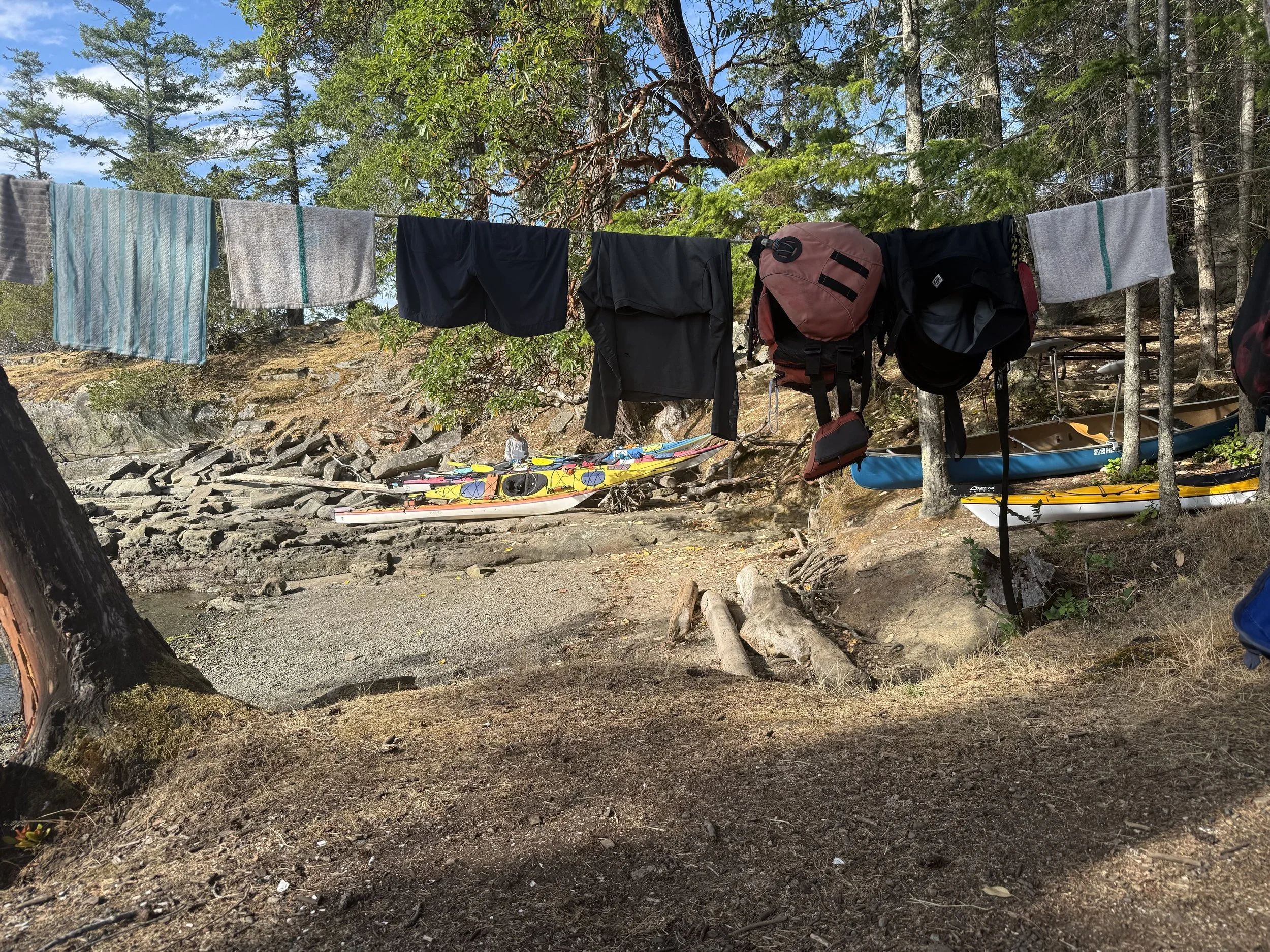
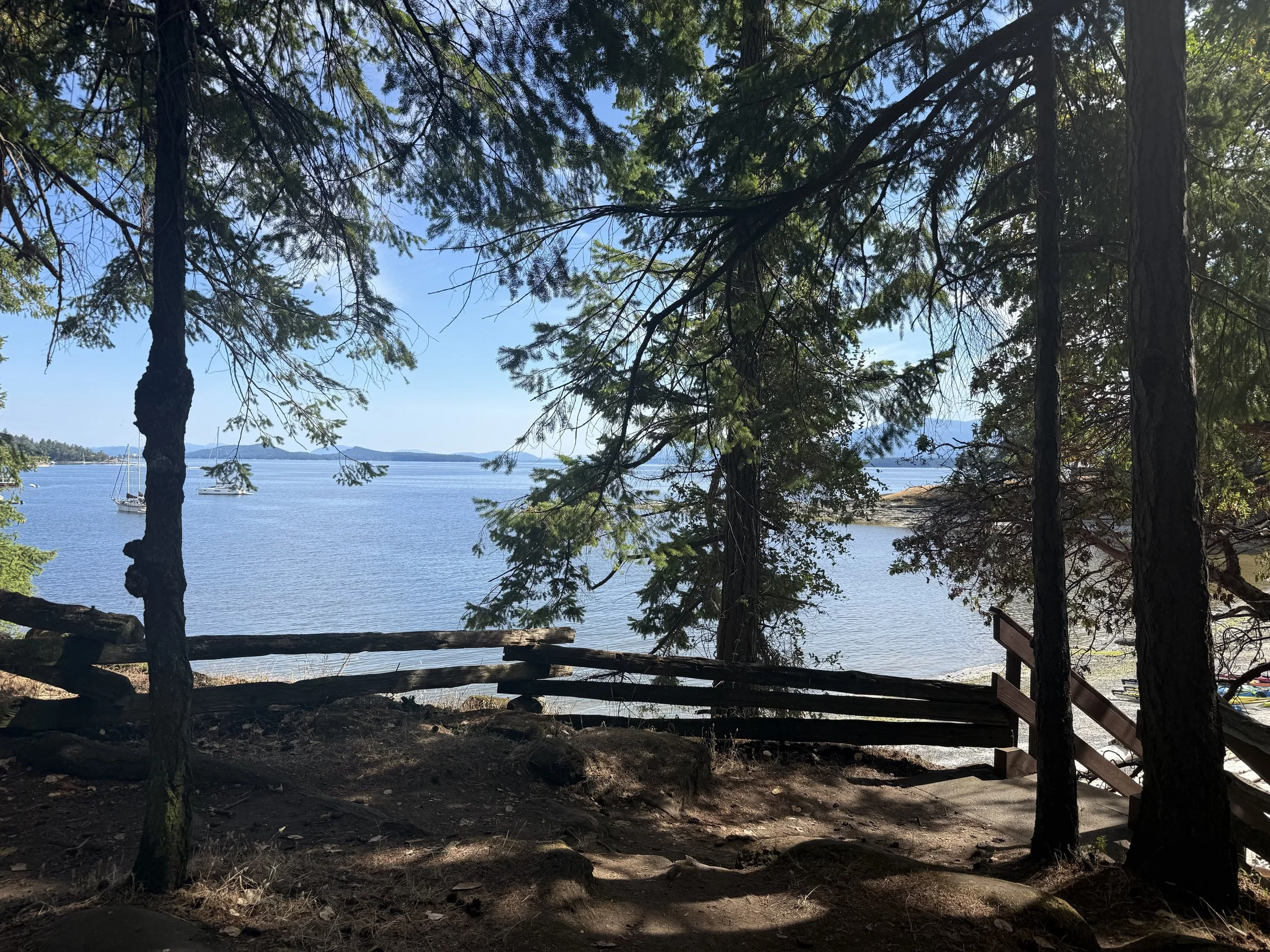
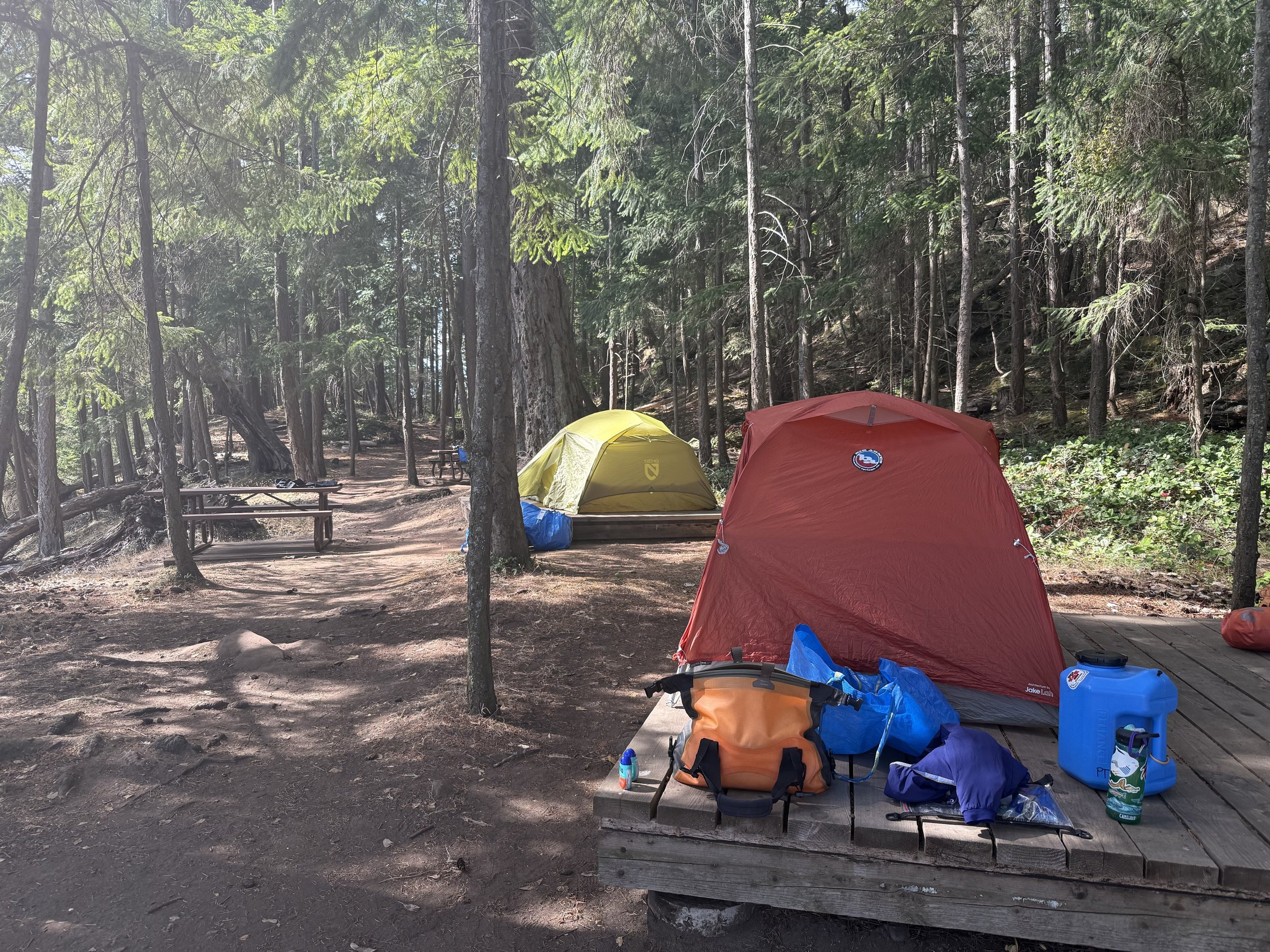
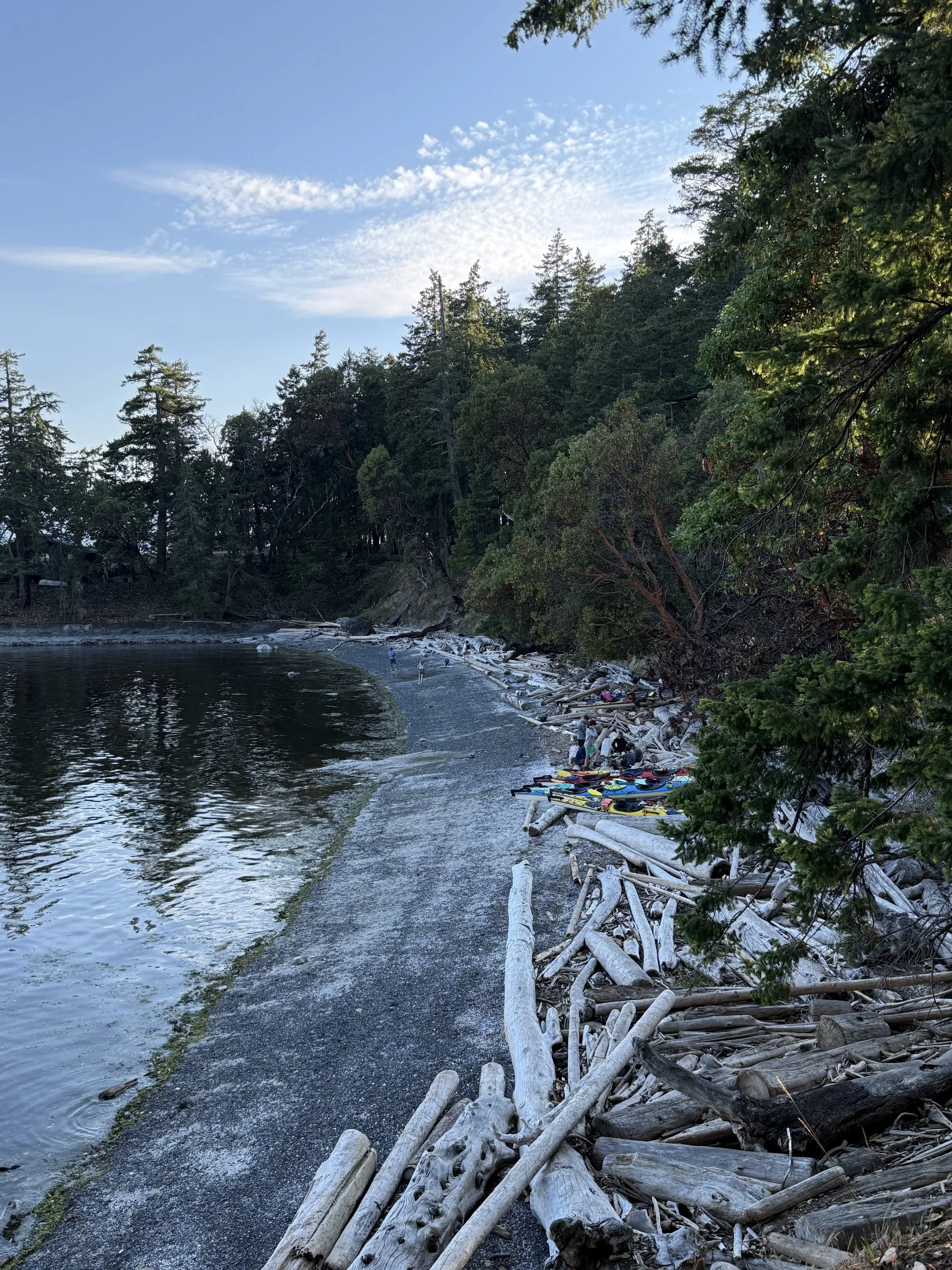
After their stay at Pirate’s Cove, the group paddled to Shivers Point on Wallace Island, where they spent the last couple of nights. This was another learning opportunity in adaptability, after their initial plans to paddle to Dionisio Point Provincial Park were thwarted by adverse winds and changing currents in a challenging passage. They decided to spend an extra night at Pirate’s Cove, and head directly to their final destination on Wallace Island.
Part of the leadership teaching in the Wilderness School is rooted in decision-making and adaptability, both in terms of expedition planning and in the mental adjustment to change. Initially, Mike Milner tells us, the youth responded to their change in plans with “the whole spectrum” of excitement, anticipation, anxiety, and nervousness. “The beauty of it is that this is part of the leadership teaching we give them. They’re part of the decision-making process,” Mike explains.
This level of agency is a crucial part of the growth that takes place in the program. “Part of what they’re learning is how to assess conditions and make those decisions. But the mental exercise of the expedition is just as valuable as the physical experience and the learning of very tangible outdoor skills.”
“You can see the decision-making process happening in real time. It makes you feel very proud. Like you've been with them this whole time, for the past two years.”
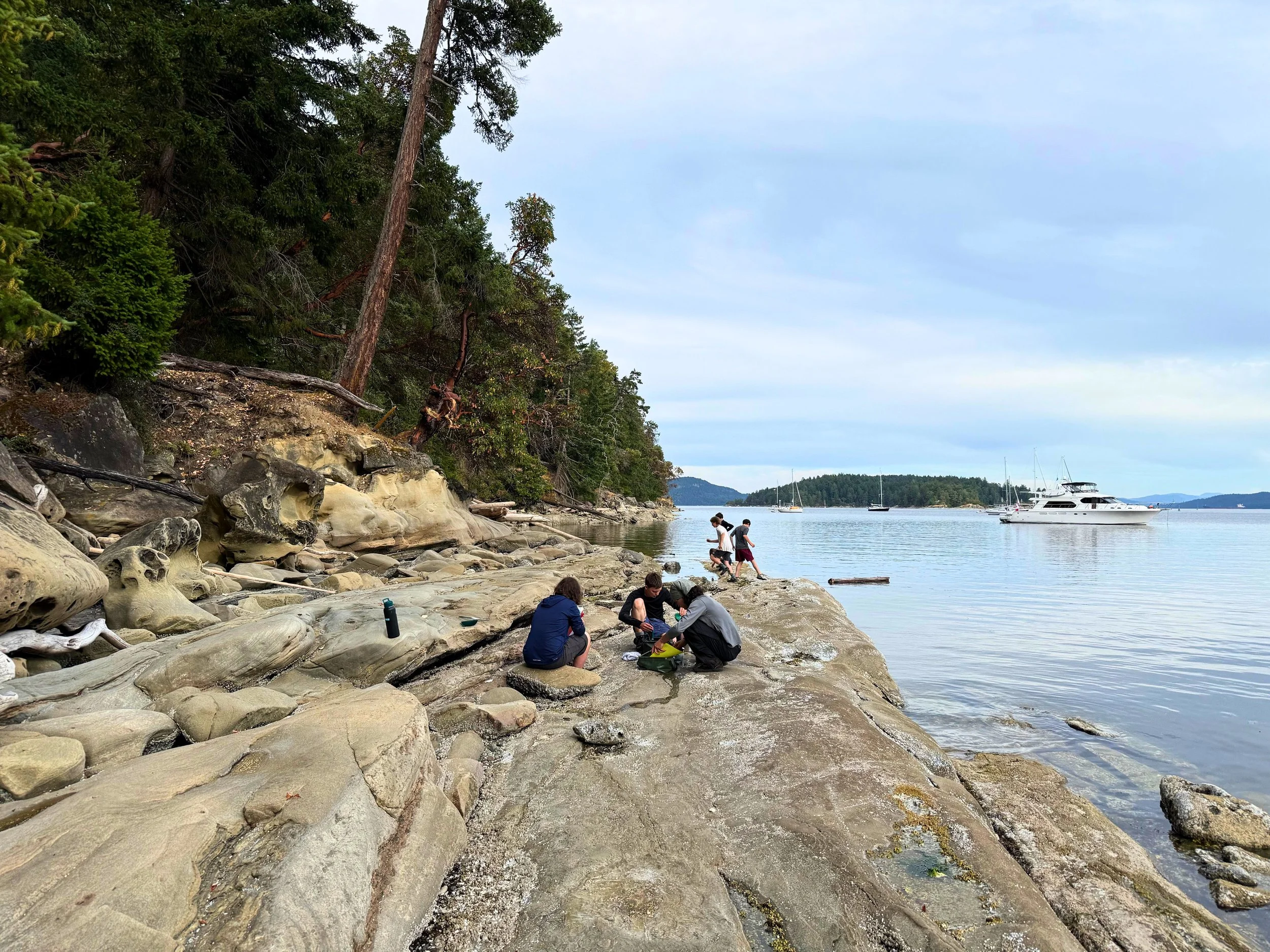
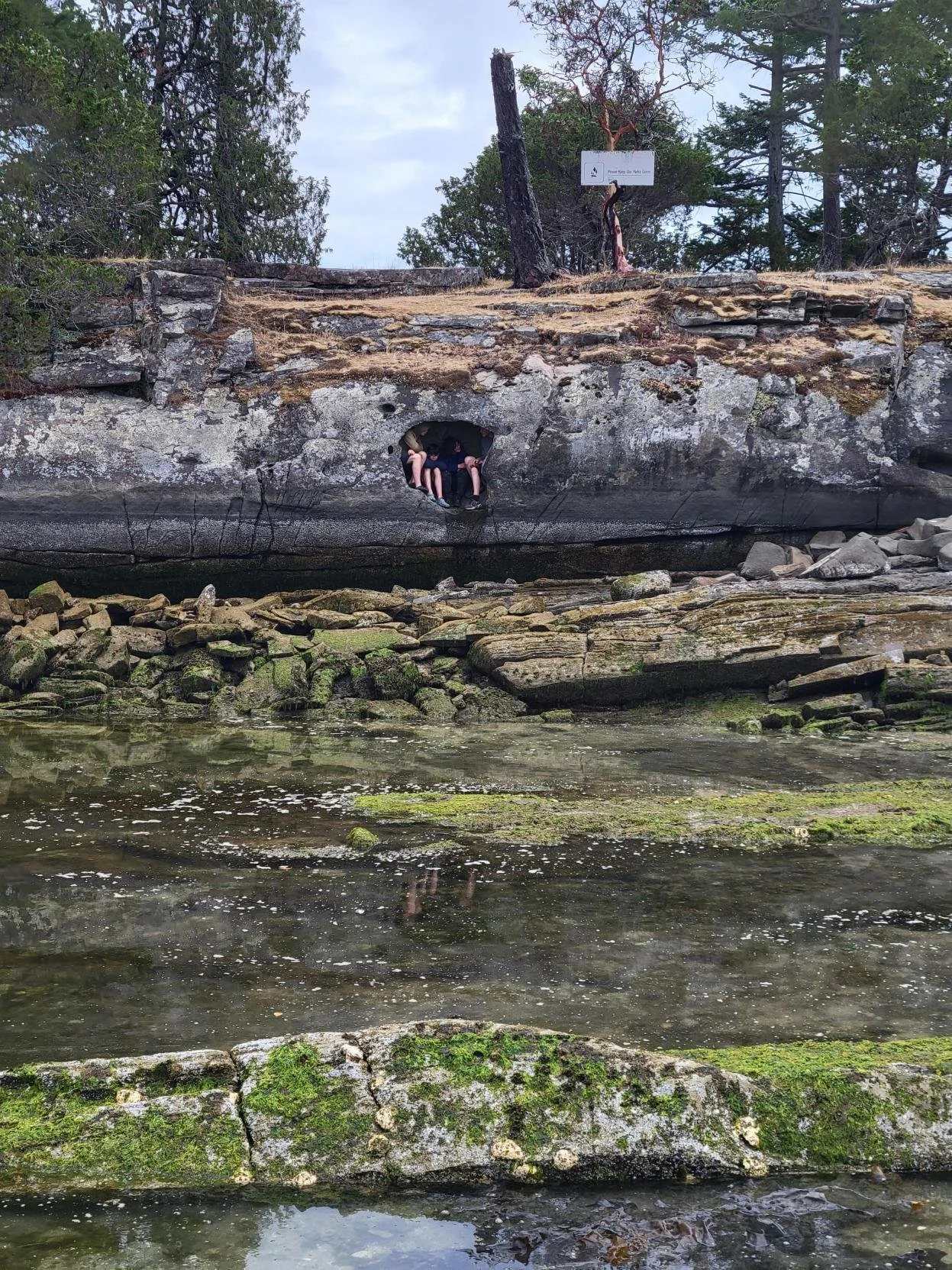
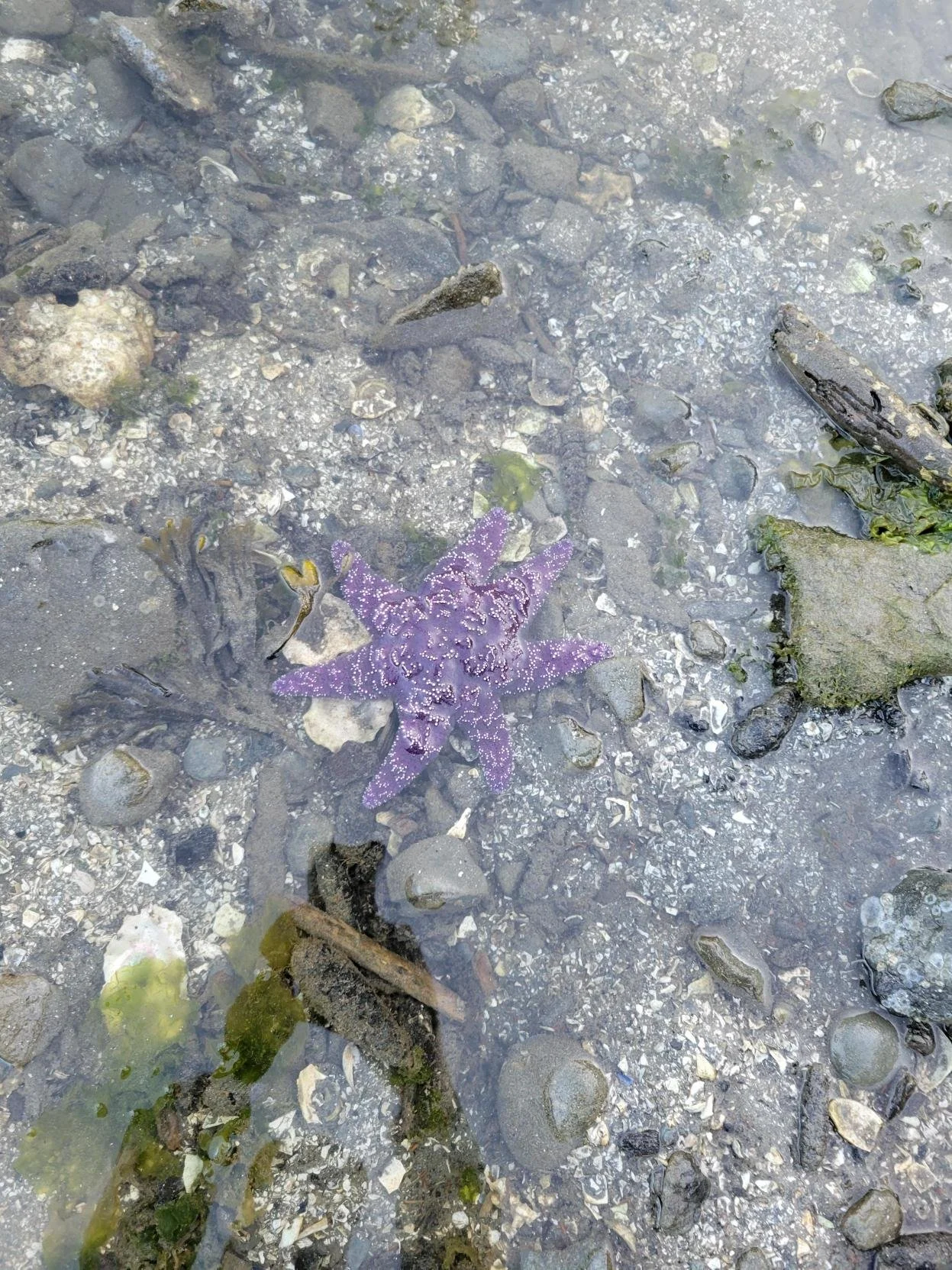
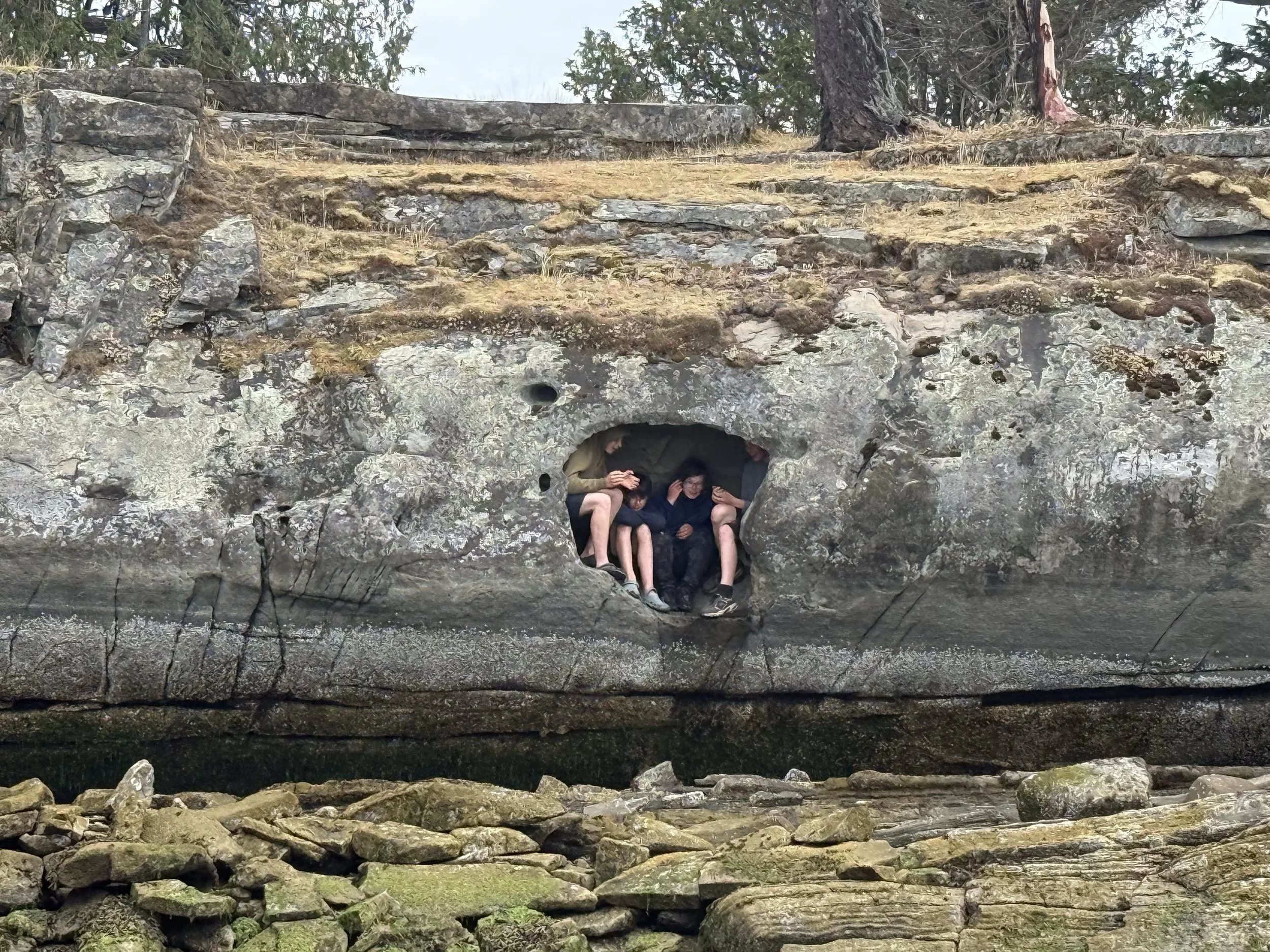
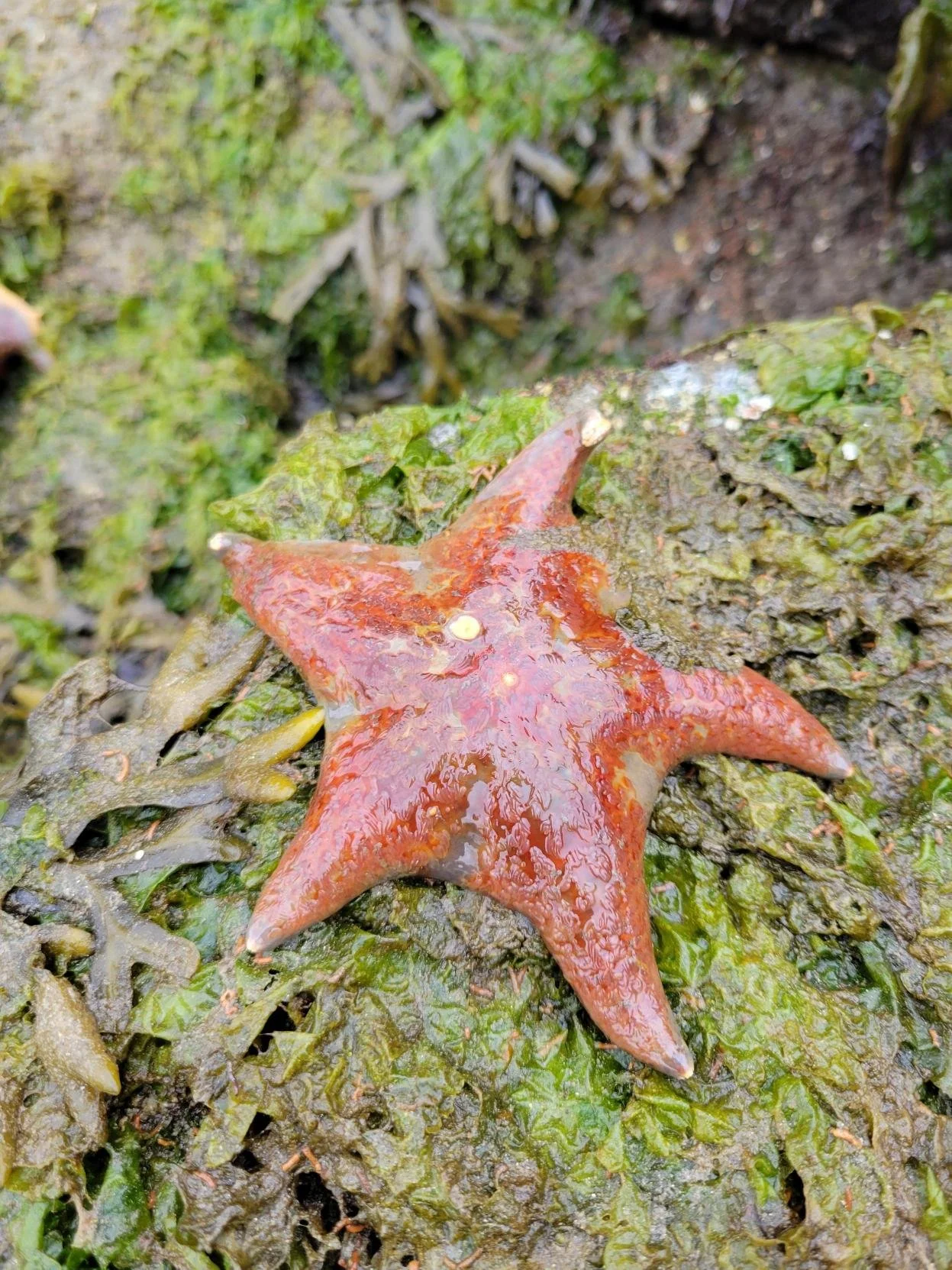
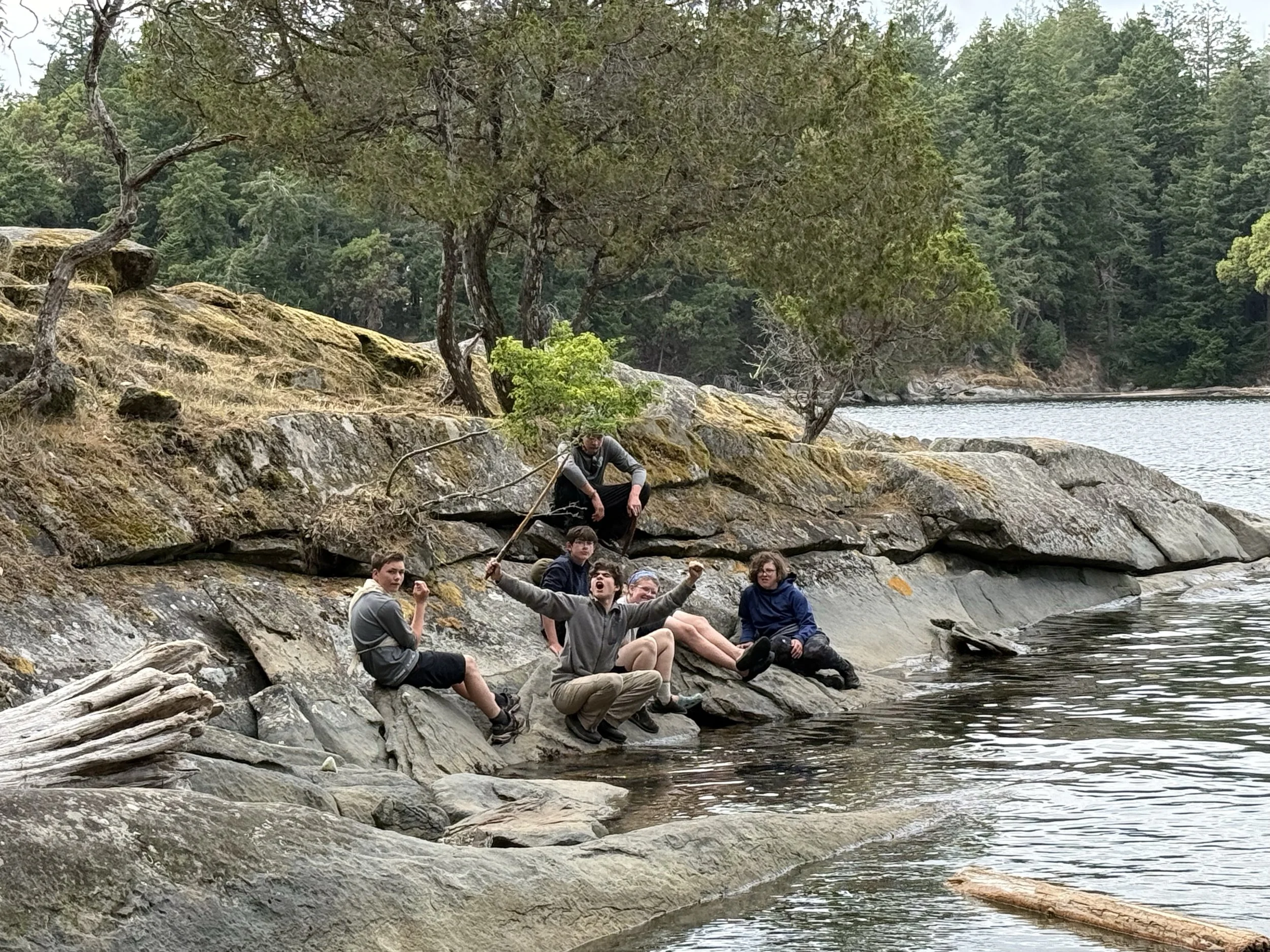
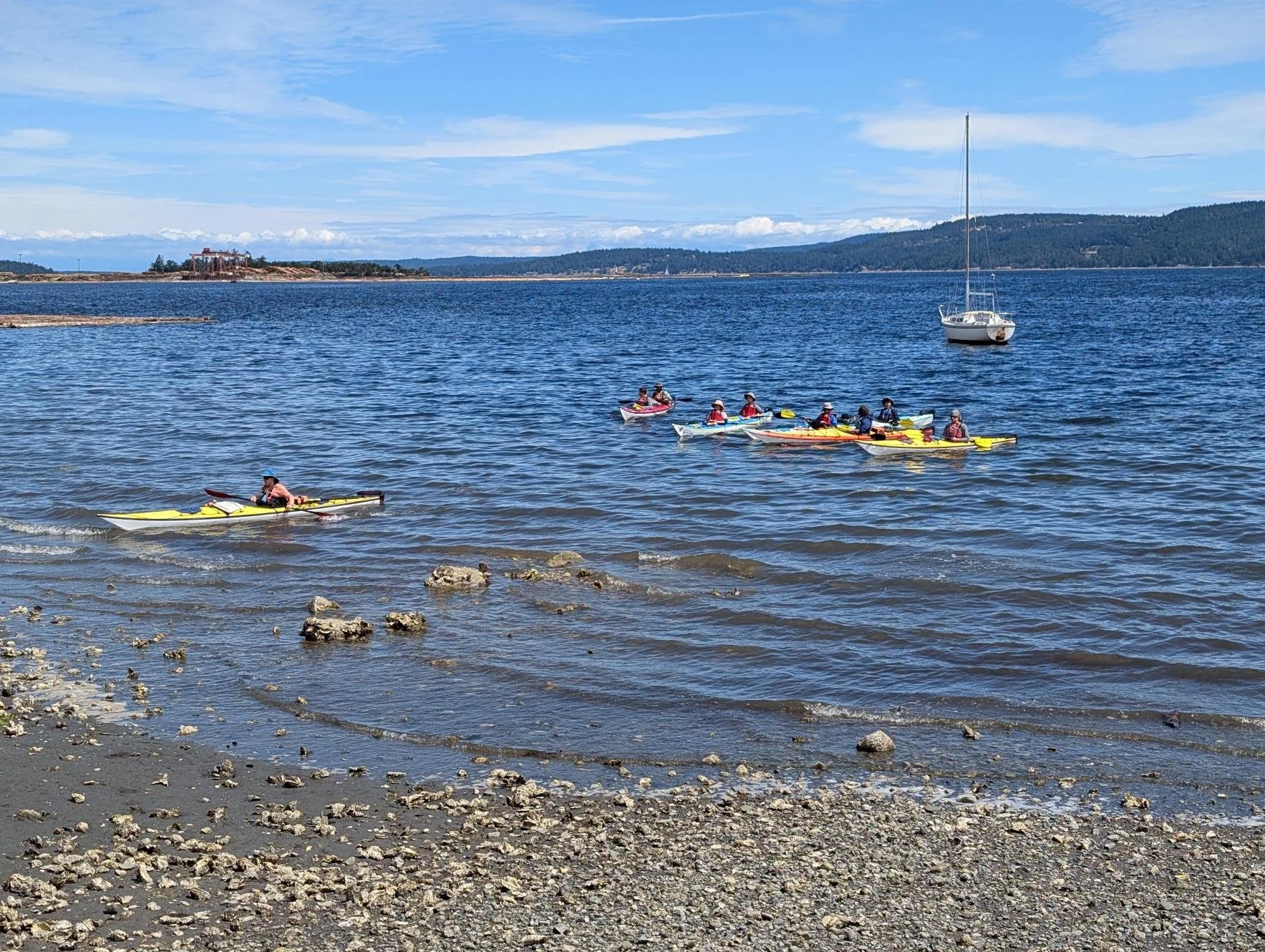
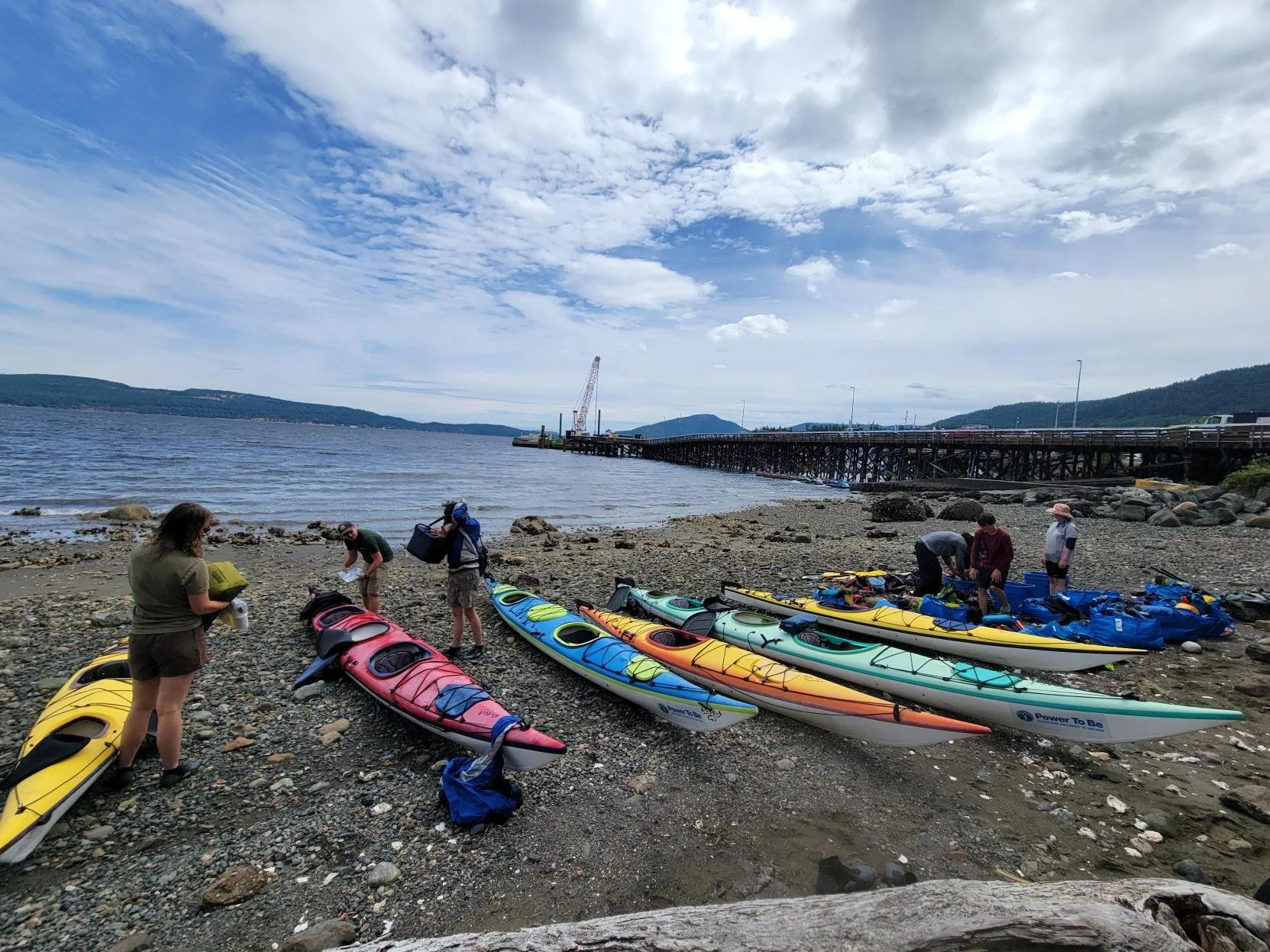
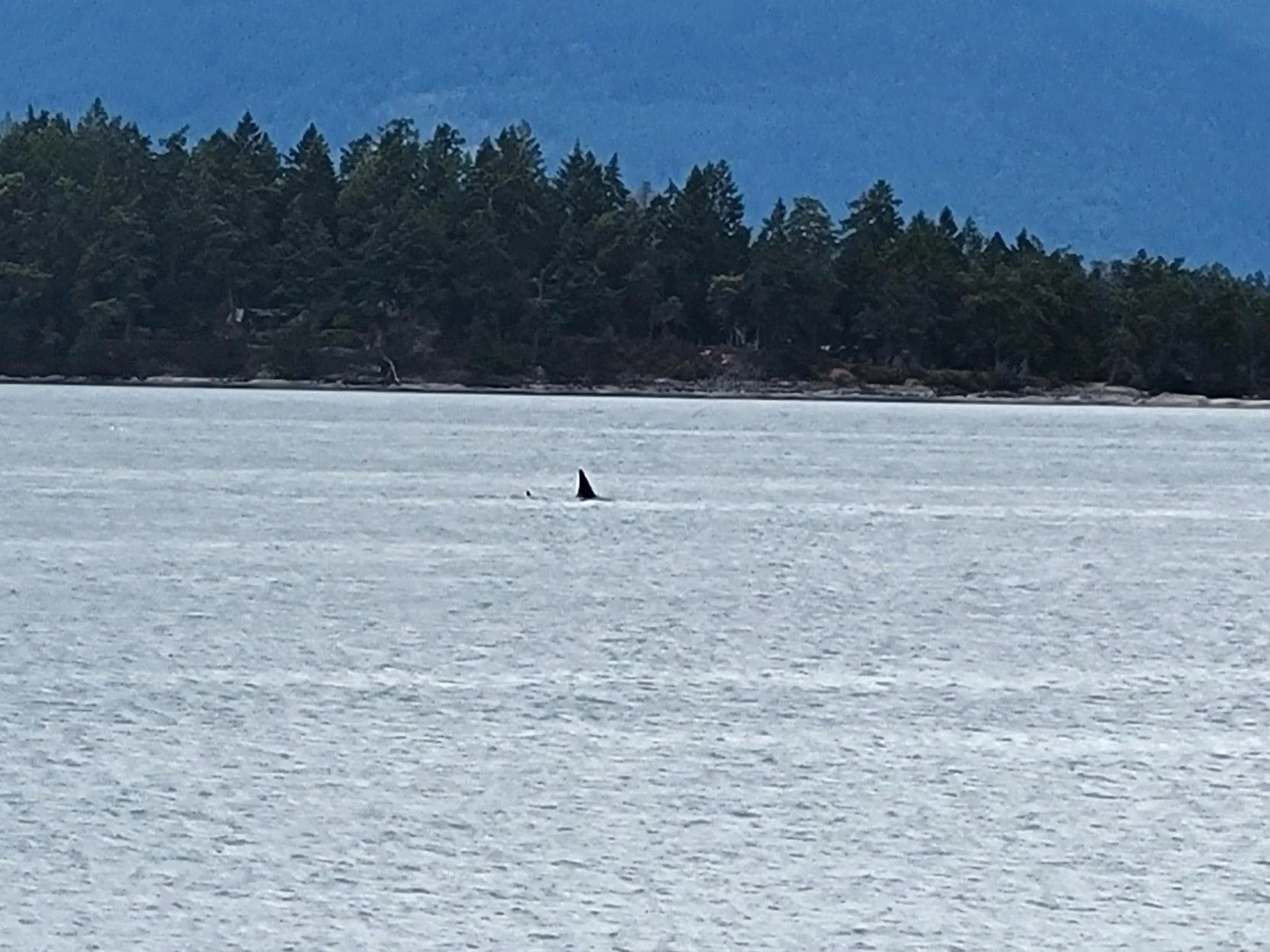
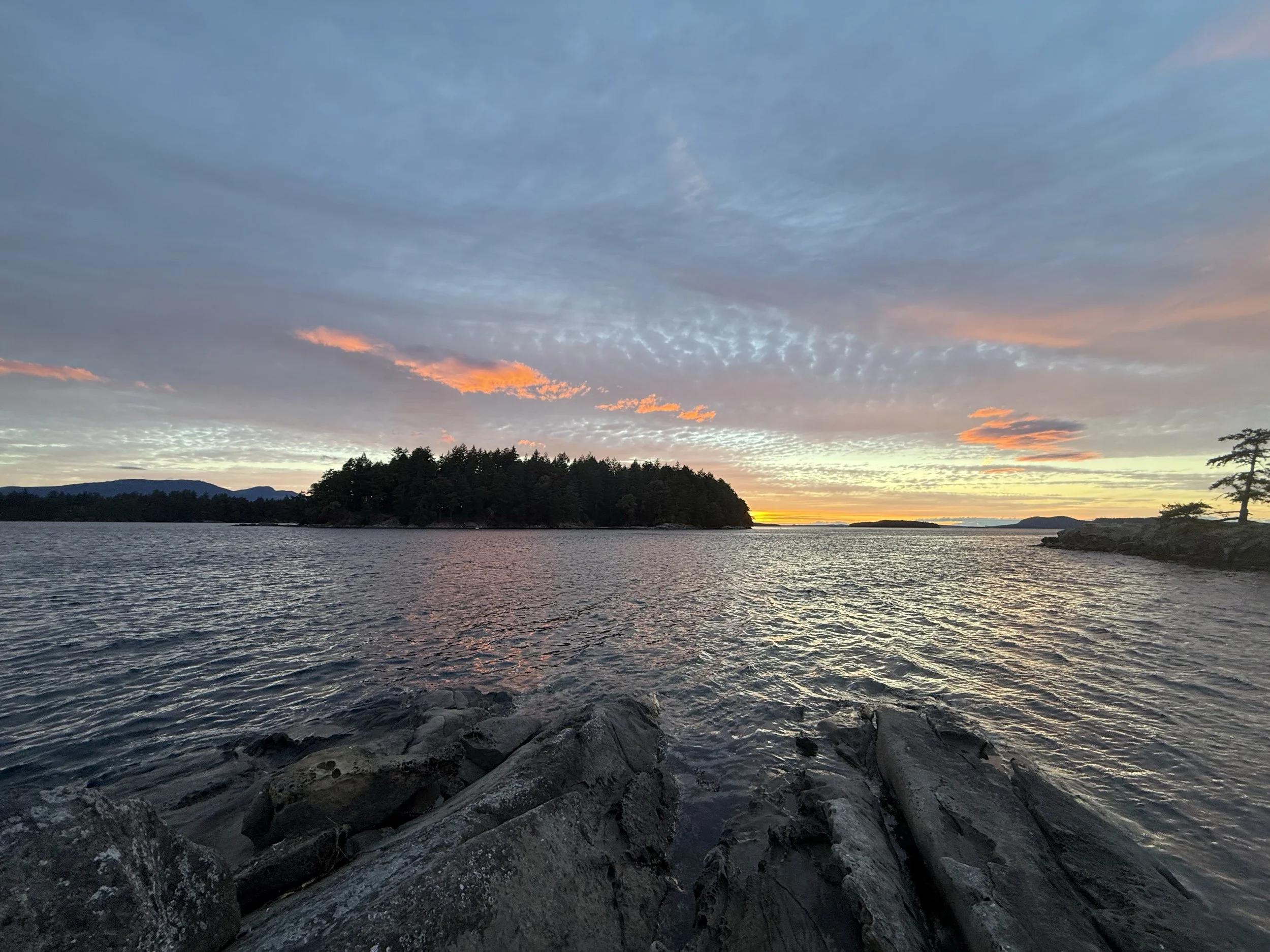
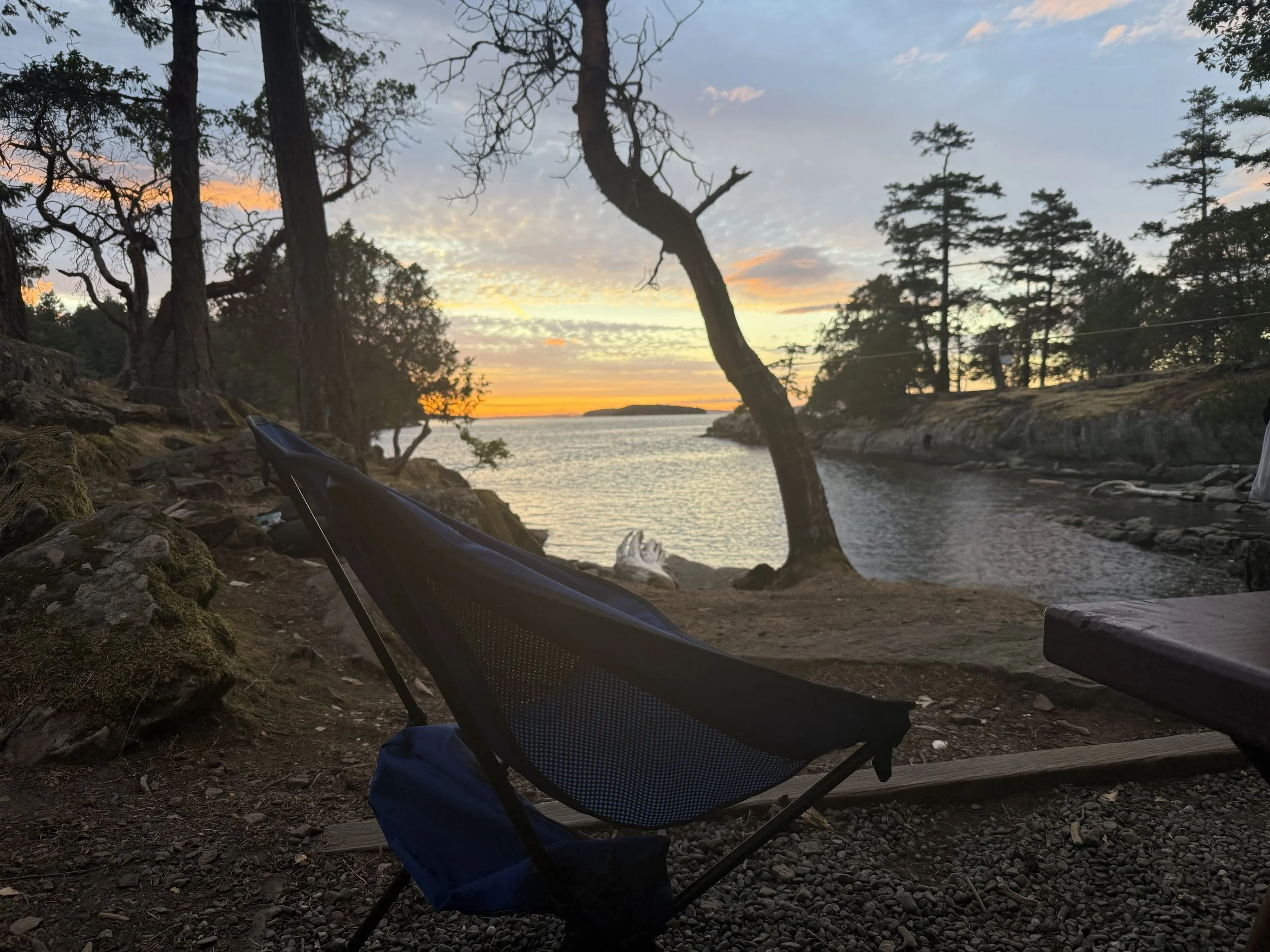
The last night of this expedition, at Shivers Point, also marked the last night of their journey with Wilderness School. Just after dinner, they spotted a couple of whale-watching boats on the water. Moving closer to the water, the group saw it together: two Orcas surfacing about 200 meters offshore. For thirty minutes, they watched as the mom and juvenile orca slowly passed by them, and the sun began to set.
“It was a beautiful way to wrap the trip up,” Mike reflects. “To get to that island the previous day, they spent seven and a half hours paddling 22 kilometers into a headwind. It was one of the most physically challenging days that any of them had in the entire program. So it felt like a really beautiful reward on the last night of the entire Wilderness School program, to see these whales.”
The End of the Journey
When the cohort gathered again in September at Grad Night, the Power To Be program team took a moment to celebrate and honour each participant, and the group as a whole. It was a meaningful gathering, where the youth could look back and be proud of what they had been part of. Each participant received their very own backpack, donated by Robinson’s Outdoor Store. These backpacks are symbolic parting gifts—something to carry the skills, experiences, and connections they’ve gained over the past two years.
Through each expedition, the youth of Cohort 17 learned to navigate, adapt, and find their stride through waves of unpredictability and change. They formed close bonds, rooted in compassion, empathy, and humour, and they displayed exceptional levels of emotional awareness, intelligence, and acceptance.
As they move on from their journey with Wilderness School, this cohort plans to leave things like anxiety and negativity behind. In their place, are the skills, confidence, and friendships that have shaped them into who they are now.
Having watched their transformation through each expedition, Mike says (with proud-dad-energy): “You can see who they’re growing to be.”
Our Wilderness School is made possible by generous support from our community partners, including Peninsula Co-op and the City of Victoria.